You’ve just had your brows feathered, lips blushed, or eyeliner tattooed — everything’s healing beautifully. Then a few weeks (or months) later, a small, raised bump shows up out of nowhere. Not itchy, not sore, just… there. If that sounds familiar, you might be dealing with a cosmetic tattoo granuloma — a type of foreign body granuloma or granulomatous reaction to tattoo pigment.
What Is a Granuloma and Why?
In simple terms, a granuloma is your body’s version of a protest. It forms when your immune system tries to wall off something it sees as foreign — in this case, usually pigment particles from your cosmetic tattoo. This process is often referred to as a foreign body reaction involving epithelioid cells and sometimes giant cells.
If you’re working with a highly trained cosmetic tattooing artist, they’ll already have protocols in place to minimise this risk.
The result? A small, firm, often flesh-coloured or slightly reddish nodule. It’s not an infection, not a cyst, and not dangerous — but it’s your skin saying, “Hey, what is this stuff and why is it in here?”
Causes
- Pigment sensitivity: Some pigments (especially reds and oranges) can trigger immune responses
- Black tattoo pigment and iron oxide in brown or black eyebrow tattoos can also cause reactions
- Poor pigment quality: Inexpensive or unregulated inks are more likely to contain irritating compounds
- Skin trauma: Overworked skin during tattooing can increase the risk of a reaction
- Individual immune quirks: Some people’s bodies are just more reactive than others
- Hypersensitivity to tattoo pigment: Especially in pigmented tattoos or older decorative tattoos
Who’s Most at Risk?
- Have a history of allergic reactions or sensitivities
- Have autoimmune diseases or systemic diseases like systemic sarcoidosis
- Have had previous tattoo reactions or pseudolymphomatous reactions
- Have cutaneous sarcoidosis or a family history of granulomatous diseases
Granulomas vs. Other Tattoo Bumps
| Bump Type | Appearance | Cause | Treatment |
|---|---|---|---|
| Granuloma | Firm, non-painful, slow-growing lump | Immune response to pigment | May resolve or need steroid creams or removal |
| Allergic Reaction | Itchy, red, sometimes weeping or flaky | Allergen in pigment | Antihistamines, steroids, and removal |
| Keloid Scar | Raised, shiny, spreading scar tissue | Overhealing of skin | Silicone gel, steroid injections |
| Infection | Red, warm, painful, pus-filled | Bacteria introduced during or after tattooing | Antibiotics, medical treatment |
What Cosmetic Tattoo Artists Need to Know
As a cosmetic tattoo artist, I’ve made it part of our process at Face Figurati to:
- Use high-quality, regulated pigments (yes, even if they cost more)
- Patch test when necessary (especially with lip blush or coloured pigments)
- Keep tattoo sessions conservative — we don’t overwork the skin
- Educate clients on what’s normal during healing and when to flag something
- Stay informed on adverse effects, tattoo allergic responses, and newer studies published in Dermatol Venereol and tetracyclines in dermatology
If a granuloma forms, don’t panic and don’t hide it. Clients appreciate honesty and help, not excuses.
What to Do If You Suspect a Granuloma?
First things first: don’t poke it. Granulomas aren’t like pimples or ingrown hairs — squeezing or scratching can cause trauma and potentially infection.
Here’s what I recommend:
- Book in with your cosmetic tattooist: Let them check the area and review your pigment ingredients.
- Get a referral: If needed, we’ll send you to a Department of Dermatology or dermatologist.
- Avoid harsh skincare or peels in the area until you’ve had it reviewed.
Common Treatments:
- Observation or spontaneous resolution
- Topical corticosteroids or potent topical creams
- Steroid injections (at 4–6 week intervals) for persistent or larger bumps
- Laser therapy or laser treatment in rare, stubborn cases
- Surgical excision is only necessary when necessary
Beauty Trends, Pigments and Reactions in 2025
The cosmetic tattoo scene is booming in 2025, and with it, an increase in pigment diversity. That’s great for customisation, but also means more complex ingredients.
According to the 2025 Global Pigment Report, red-based and hybrid pigments are seeing a 40% usage spike in lip blush tattoos. Unfortunately, they also top the list for reactions to tattoos and hypersensitivity reactions.
It’s why I always stress ingredient transparency. At Face Figurati, we provide every client with a full pigment breakdown — not just the brand name, but the CI numbers too. If your artist can’t tell you what’s in their pigments? Big red flag.
Granuloma and Skin Type: Does It Matter?
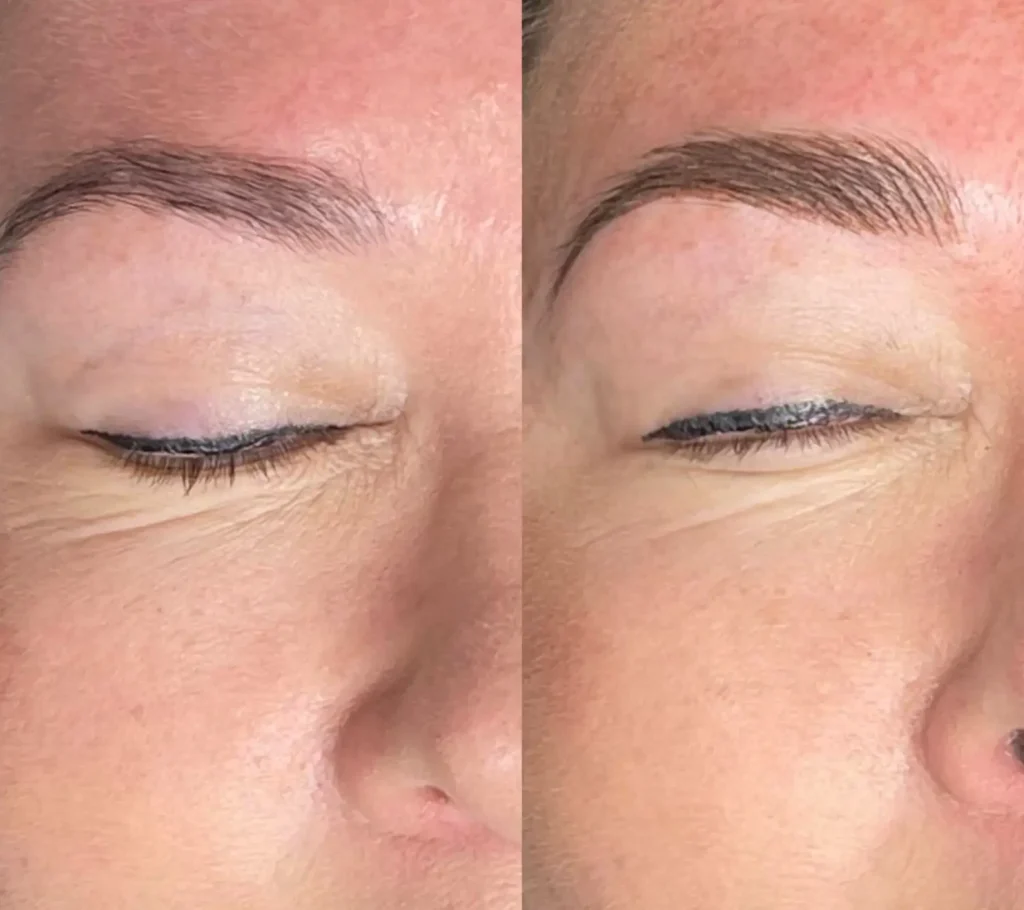
Yes. Skin type plays a role in how your body responds to cosmetic tattooing.
- Oily skin: More likely to reject or blur pigment, less likely to form granuloma
- Dry/sensitive skin: More prone to reactions and flaking
- Mature skin: Heals more slowly, may overreact to trauma
- Inflamed or compromised skin: Should never be tattooed
Whether you’re getting your brows done or opting for permanent eyeliner, a thorough skin consult is standard at reputable cosmetic tattooing Brisbane clinics like ours.
How to Prevent
Here’s the real talk: you can’t always prevent granulomas. But you can reduce your chances significantly by:
- Choosing a qualified, licensed cosmetic tattooist
- Asking for pigment ingredient lists
- Mentioning any history of allergies or autoimmune conditions upfront
- Following proper aftercare to avoid irritation or infection
- Being cautious with previous eyelid tattoo areas and permanent eyeliner tattoos
What It Looks Like: Real Client Example
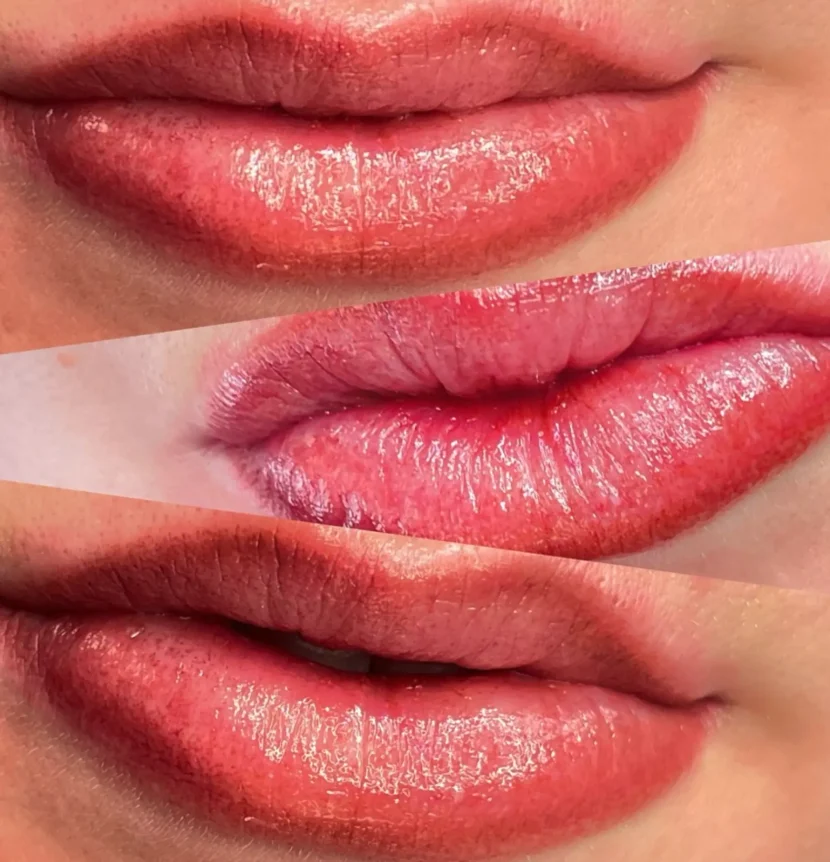
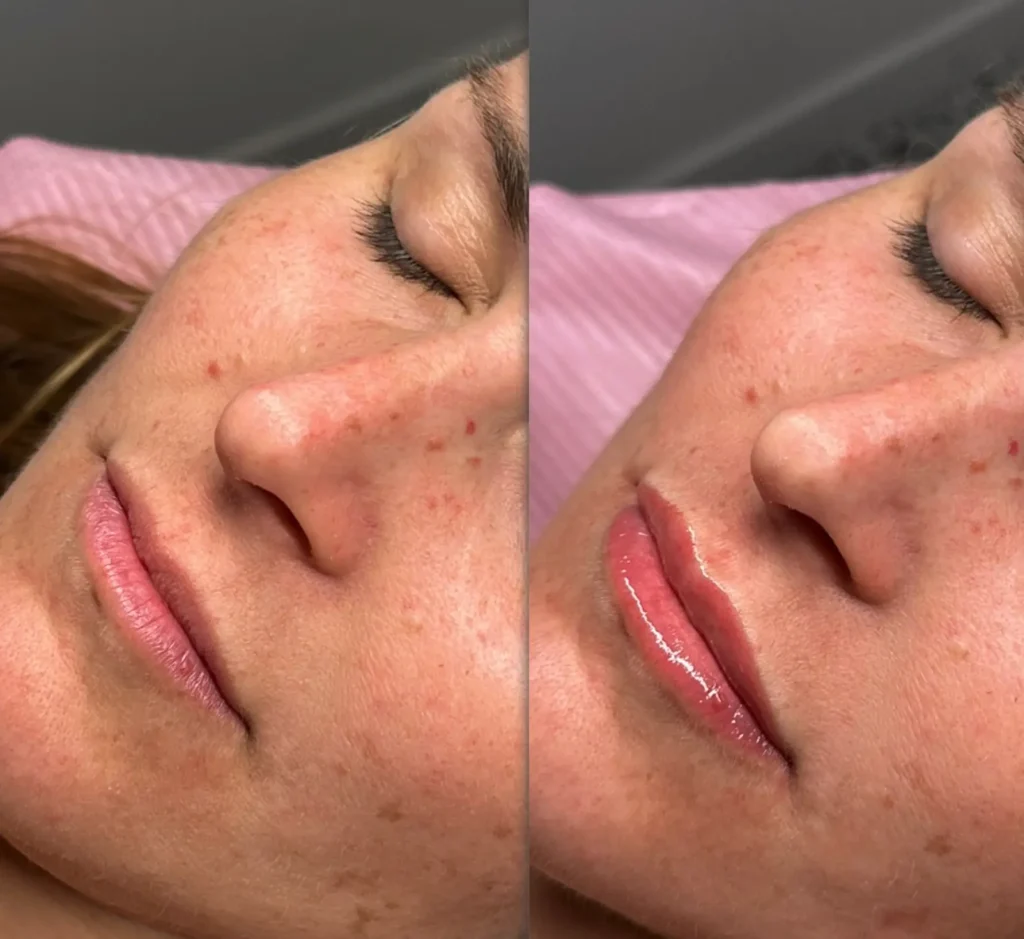
One of our lovely clients had a granuloma pop up about 4 weeks after a lip blush. She had a history of sensitive skin and had reacted to red lipsticks before — something we flagged, but she wanted to go ahead with a muted coral tone.
Sure enough, a tiny, firm nodule appeared in the centre of the bottom lip. No pain, no redness. We referred her to a dermatologist who confirmed it was a granulomatous tattoo reaction. She opted for a mild topical steroid, and it resolved within 6 weeks.
Her takeaway? “I’m still obsessed with my lip blush, but next time I’ll patch test — and stick to nude tones.”
Final Thoughts
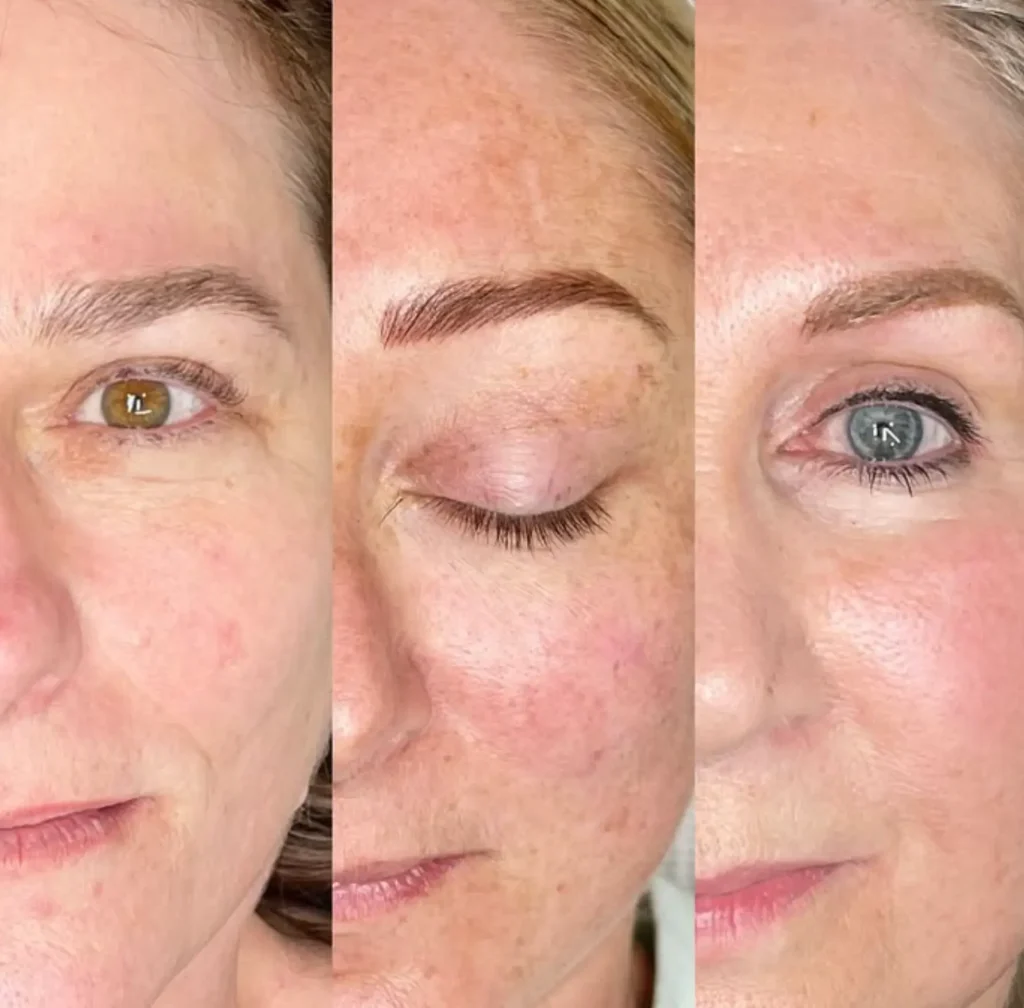
Cosmetic tattoo granulomas aren’t the end of the world. They’re just one possible cutaneous complication in a treatment that, for most people, heals beautifully. If you understand what to look for, how to manage them, and how to reduce your risk, you’re already ahead.
Eyebrow tattoo-associated sarcoidosis and other dermatological complications are rare, but real. These can sometimes signal involvement in sarcoidosis or extra-tattoo cutaneous granuloma formation that might require a chest x-ray, chest radiography, blood count, and clinical applications of dermatology-based interventions.
FAQ
Can a cosmetic tattoo granuloma be dangerous?
No — they’re not dangerous or cancerous. But they do need professional assessment to rule out cutaneous sarcoidosis or more serious granulomatous diseases.
How long do cosmetic tattoo granulomas last?
It varies. Some resolve on their own in a few weeks. Others may need treatment and can take months.
Can you tattoo over a granuloma later?
Not until it’s fully healed and cleared by a medical professional. Tattooing over it too soon can worsen the reaction.
Do certain pigments cause more granulomas?
Yes. Reds, oranges, and hybrid pigments — particularly those used in brown tattoos, black tattoos, or permanent make-up — have higher reactivity rates.
Can laser tattoo removal fix a granuloma?
In rare cases, yes — but it must be approached carefully. Laser can worsen inflammation if done too early or aggressively, especially in clients with a history of granulomatous diseases or hypersensitivity reactions.