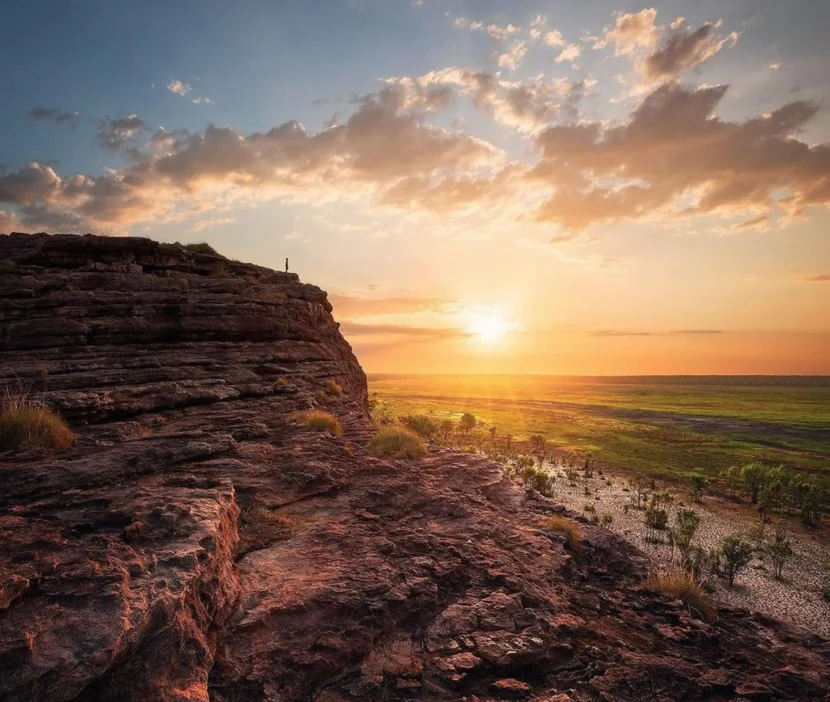
What are the rules for Kakadu? This is the question every traveller asks when they want to explore Australia’s largest national park. Kakadu National Park is big, full of saltwater crocodiles, deep Aboriginal culture and landscapes that change with every season. It’s also governed by a management plan that balances tourism, cultural heritage and fragile ecosystems.
I’m Paul Beames, founder of Get Lost Travel Group, and after years of leading tours in the Top End, I’ve learned the rules here aren’t optional. From rock art sites to rock pools, from fishing tours to permit paperwork, the guidelines are what keep people safe and Country strong.
Park Pass and Entry Fees: A Simple First Step
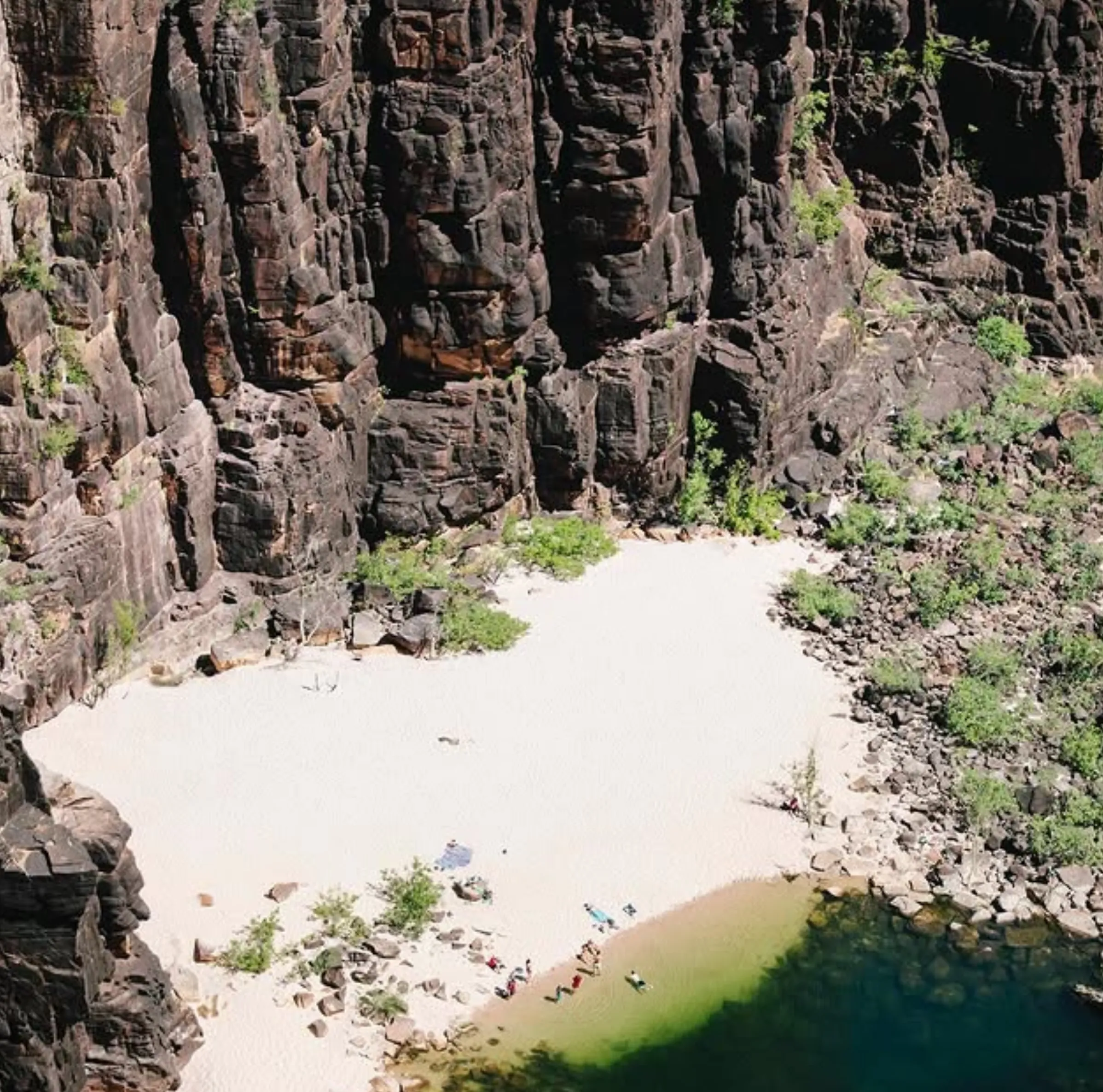
Every traveller needs a park pass. It funds park rangers, maintenance and cultural programs and supports Traditional Owners.
- Cost (2025): $40 per adult for 7 days
- Buy: Online, Bowali Visitor Centre or Darwin outlets
- Note: Keep a digital or printed copy with you — checks are common
Your pass also underpins future management plan goals, including aquatic life reserves, new research permit programs and access upgrades for tourism operators.
| Type of Pass | Cost | Validity | Notes |
| Adult | $40 | 7 days | Standard entry |
| Child (U16) | Free | 7 days | Must be with an adult |
| Concession | $30 | 7 days | Recognised cards only |
| Annual | $100 | 12 months | Frequent visitors |
Cultural Respect: Rock Art and Rules
Kakadu’s world-famous rock art sites are more than galleries — they’re living law books. Park rules exist to protect these places:
- Stay on marked tracks during any rock art walk.
- Don’t touch art sites, rock shelters or stone surfaces. Oils from your hands can damage them permanently.
- Photography permits may be required for commercial media permits, especially for art sites.
If you’re planning commercial filming, commercial tours or audio capture at sacred areas, you’ll need to lodge an application form, pay the permit application fee and get approval from Traditional Owners.
Croc-Wise: The Rule Everyone Talks About
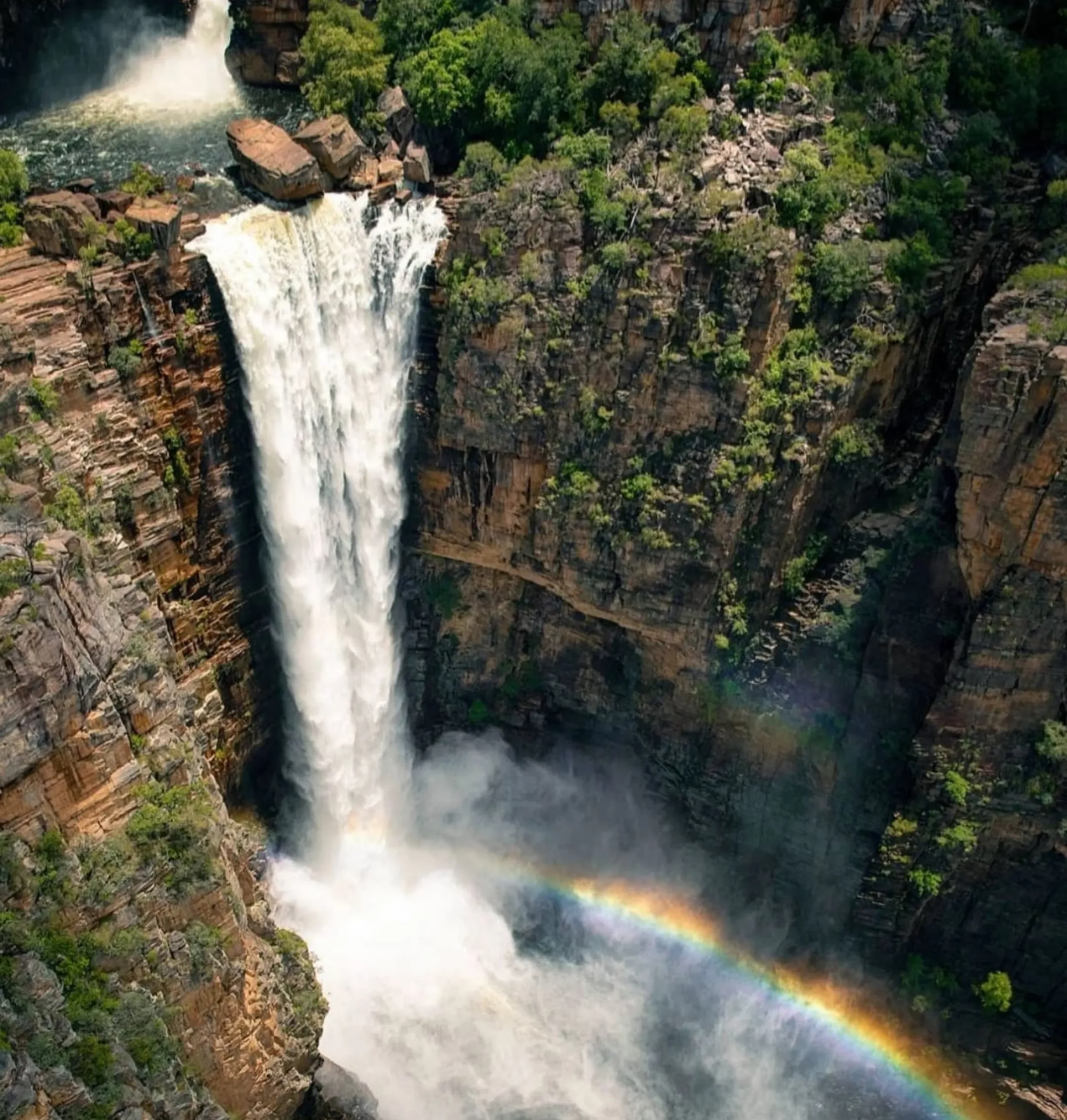
Saltwater crocodiles call Kakadu home, and water safety rules save lives:
- Swim only in signed natural pools or rock pools deemed safe by rangers.
- Stay back 5 metres from the water edges.
- Never camp within 50 metres of water.
- Use emergency contact numbers posted near key sites if something goes wrong.
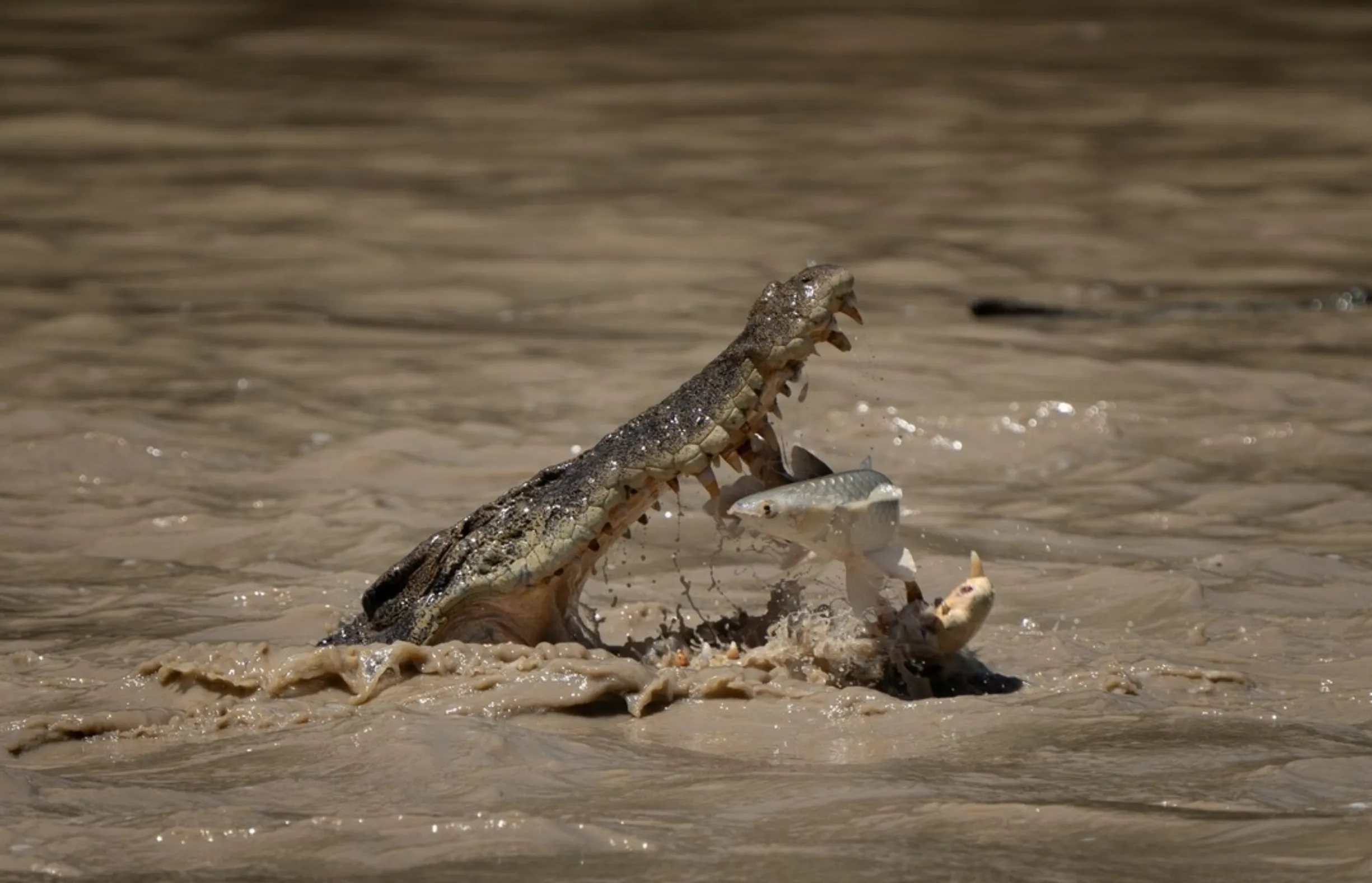
On a Jumping Crocodile Cruise along the Adelaide River, you’ll soon see why these guys command respect. They launch from the water with terrifying power — a reminder that every sign in Kakadu that says “No Swimming” is there for a reason.
Walking, Hiking and Emergency Preparedness
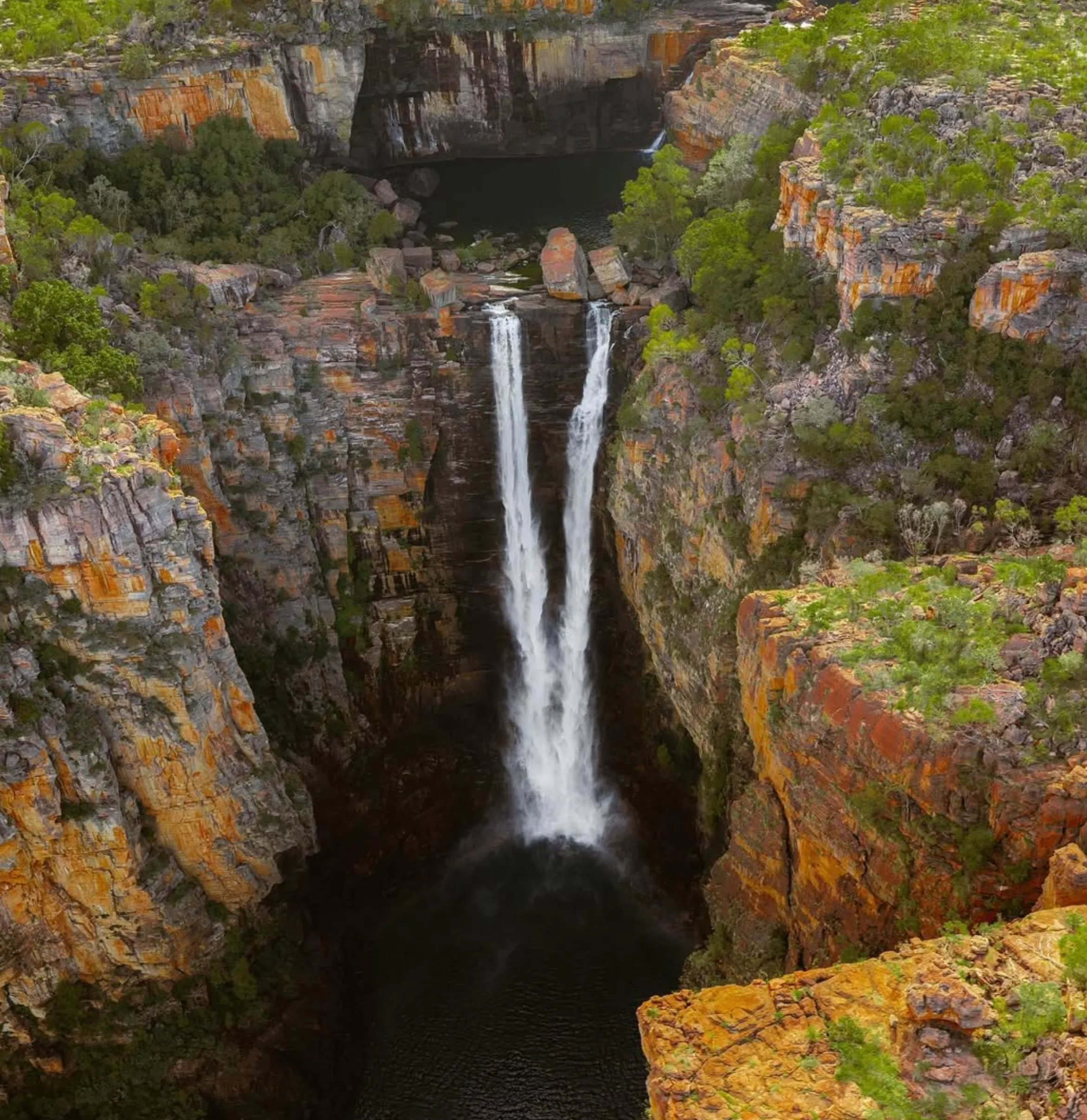
Tracks in Kakadu are unforgiving in heat and distance. The park has installed emergency call devices at some remote sites, but don’t rely on them entirely. Always:
- Carry more water than you think you need.
- Leave your plan with a friend.
- Know the nearest emergency contact number.
Longer hikes, to art sites or out-of-the-way rock pools, sometimes require an access key issued only with ranger approval.
Fishing Rules: Barra Dreams with Boundaries
Recreational fishing is a Top End rite of passage, but Kakadu’s waters are regulated to protect aquatic life reserves and cultural sites.
- No nets — line fishing only.
- Barramundi minimum: 55cm.
- Closed areas = no-go, even for fishing tour operators.
- Fishing gear must be cleaned before use to stop invasive species.
If you’re new to the Territory, booking with fishing tour operators is the safest way. Many fishing tours include gear, local know-how and a dash of humour about which billabong “always produces the big one.”
Permits: Beyond the Park Pass
For many activities, you’ll need more than a standard entry pass. The park’s management plan outlines the rules:
- Research permit: For scientific work or wildlife studies.
- Commercial photography: Photography permit or commercial media permits.
- Commercial filming: Application form and permit application fee.
- Tourism operators: Licensed and meet park guidelines.
Even a simple drone shoot requires formal approval, often with conditions on audio capture and publishing rights.
Day Trips and Extended Tours: Choose Your Adventure
If you’re short on time, a Darwin to Kakadu day trip will give you a taste — Ubirr, Cahills Crossing and a billabong cruise. For something more in-depth, many people do 2 day Kakadu tours from Darwin, which balance cultural depth and accessible sights.
If you have more time on your hands, you can do a 4 day Kakadu tour, which goes deeper into rock art sites, natural pools and more remote tracks. Kakadu National Park tours with operators like Wayoutback Tours make it easy and ensure you’re following every park rule to the letter.
Camping and Fires: Controlled, Not Free-for-All
Camping rules are simple:
- Stick to designated sites.
- Use the provided fire pits; don’t start random fires.
- Bring your own firewood; don’t collect inside the park.
Commercial tours book out the best campgrounds early in the dry season, so plan ahead if you’re travelling independently.
Rangers and Safety: Who Runs the Show
Park rangers are the backbone of Kakadu. They enforce the rules, maintain the tracks and help visitors with everything from water safety to emergency contact numbers. Rangers also monitor rock art walk conditions, patrol fishing areas and check recreational fishers for compliance.
If in doubt — ask a ranger. They know the rules better than any guidebook.
Checklist Before You Visit
Before you go:
- Park pass
- Fishing gear (or fishing tours)
- Permit application form (if needed: filming, research, commercial tours)
- Emergency contact and offline maps
- Mozzie repellent and sunscreen
- Respect for rock art sites, pools and Country
Final Thoughts: Country, Crocs and Common Sense
So what are the rules for Kakadu? They’re a mix of national parks regulations, cultural respect, water safety and plain old bush smarts. The management plan isn’t red tape for the sake of it – it’s the backbone of keeping Country safe for people and wildlife.
Whether you’re swimming in natural pools, joining a fishing tour or walking past rock art sites with an Elder’s guidance, you’ll find the rules give more than they take. They keep saltwater crocodiles at bay, preserve cultural heritage and ensure recreational fishers and tourism operators can share Kakadu for decades to come.
Follow them and you’ll leave with yarns, photos and maybe a barra or two. Ignore them and you might just find yourself explaining to a ranger why you thought “she’ll be right” was a solid plan.
FAQ
Do I need a permit for commercial photography in Kakadu?
Yes, commercial photography and filming require permits. You’ll need to fill in an application form, pay the permit application fee and get approval.
Can recreational fishers camp anywhere near the rivers?
No. Camping is restricted to designated sites, away from the water’s edge. This is for your safety and the aquatic life reserves.
What do park rangers do in Kakadu?
Park rangers manage safety, enforce fishing rules, monitor rock art sites and provide emergency contact support.
How do I get an access key for restricted tracks or rock pools?
Access keys are issued by rangers only for specific purposes, such as research permits or cultural access.
Are commercial tours and fishing tour operators regulated?
Yes. All commercial tours, fishing tours and tourism operators must be licensed under Kakadu’s management plan.