What should you prioritise on your first trip to Australia? The short answer is pretty clear cut: focus on a few key iconic spots, wildlife experiences and cultural hotspots – and forget trying to cram everything in. Australia is massive – a whopping 7.7 million square kilometres in fact – and the chances are high that you’ll end up stuck in airport queues rather than actually experiencing the adventure you’re looking for.
This guide breaks down what first-time travellers should really be prioritising – the places to go, the experiences to have, and some practical tips to make a trip across Australia actually work in your favour.
Start With The Iconic Landscapes
Australia is famous for its open spaces – the trick is choosing a few key regions to visit rather than trying to cover it all.
To get a genuine feel for the place, you want a mix of coast, bush, rainforest and outback.
The Great Barrier Reef And Tropical North Queensland
One of the world’s most famous natural attractions is the Great Barrier Reef, a staggering 2,300 kilometres long along the Queensland coast. The UNESCO listing calls it home to thousands of reefs and hundreds of coral islands.
Lots of first-time visitors base themselves in Port Douglas or Cairns in the wonderful Tropical North Queensland.
Worth prioritising:
Snorkelling or scuba diving on the outer reefs – an experience you’ll never forget.
Reef cruises leaving from Port Douglas.
Scenic flights over the coral formations – the views are just stunning.
Exploring the nearby rainforest areas, like the Daintree Rainforest.
The Daintree is the oldest tropical rainforest in the world, part of the wonderful Wet Tropics World Heritage Area.
Uluru And The Red Centre
Few places define Australia more than Uluru, a giant rock sitting deep in the Northern Territory within Uluru-Kata Tjuta National Park.
Just down the road is Kata Tjuta, a group of massive sandstone domes sacred to the Aṉangu Traditional Owners.
What to do here includes:
Taking the Uluru Base Walk.
Hiking through the Valley of the Winds over at Kata Tjuta.
Catching the sunrise and sunset over the desert – truly unforgettable experiences.
Visiting the famous Field of Light installation created by the brilliant artist Bruce Munro.
The installation includes thousands of glowing stems known as Light Towers, lighting up the desert at night.
Many travellers get to the region by flying into Alice Springs, a remote but really lovely town surrounded by the deep red outback.
Explore National Parks And Wildlife Areas
When it comes to seeing Australia’s incredible wildlife – the main reason many visitors come here – there’s no better place than in the country’s national parks and protected areas.
Kakadu National Park & Northern Wetlands
Down in the Top End, you’ll find Kakadu National Park, one of Australia’s biggest national parks and a UNESCO World Heritage site – a real gem.
You can do loads of stuff here, like:
Taking a wetland cruise and getting up close to crocs and all sorts of birdlife.
Exploring ancient rock art galleries.
Visiting the floodplains and billabongs.
Going on a cultural tour with Traditional Owners and learning about their lives and traditions.
Kakadu is also a place with a rich Aboriginal heritage and loads of opportunities to see Aboriginal art centres and learn more about Indigenous culture.
Island Wildlife And Coastal Nature
Australia’s islands are a real wildlife haven – and pretty scenic too.
Two of the best ones are:
Kangaroo Island – known for sea lions, koalas, and that rugged coastline.
K’gari (Fraser Island) – the world’s largest sand island with freshwater lakes, miles of sand tracks, and even dingoes.
If you’re heading to Kangaroo Island, you’ll probably take a ferry from Cape Jervis.
(And by the way, Fraser Island is still often called Fraser by many travellers) – It’s just off the coast of Queensland and is a real gem.
Prioritise A Scenic Australian Road Trip
Australia’s so big that flying only gets you so far – to really see the country, you need to get in a car and drive.
Legendary Drives
There are a few classic routes that are perfect for first-time visitors.
Some of the most popular ones include:
The Great Ocean Road – just check out those dramatic coastal cliffs.
Driving through New South Wales to the Blue Mountains, it’s just breathtaking.
Or try the Savannah Way, a real adventure route that takes you right across the top of Australia.
These routes just can’t be beaten by a plane window view.
Planning Your Trip
Planning a long drive can be a pain – but there are ways to avoid the headaches.
Some good planning tools to keep in mind include:
Using Google Maps to get an idea of the distances between places.
Use a road trip planner to help plan out your trip.
And downloading online apps that can help you navigate even when you don’t have internet.
Outback tip: don’t forget to fill up with petrol – you can go for hundreds of kilometres without a fuel stop.
Mix Cities With Regional Experiences
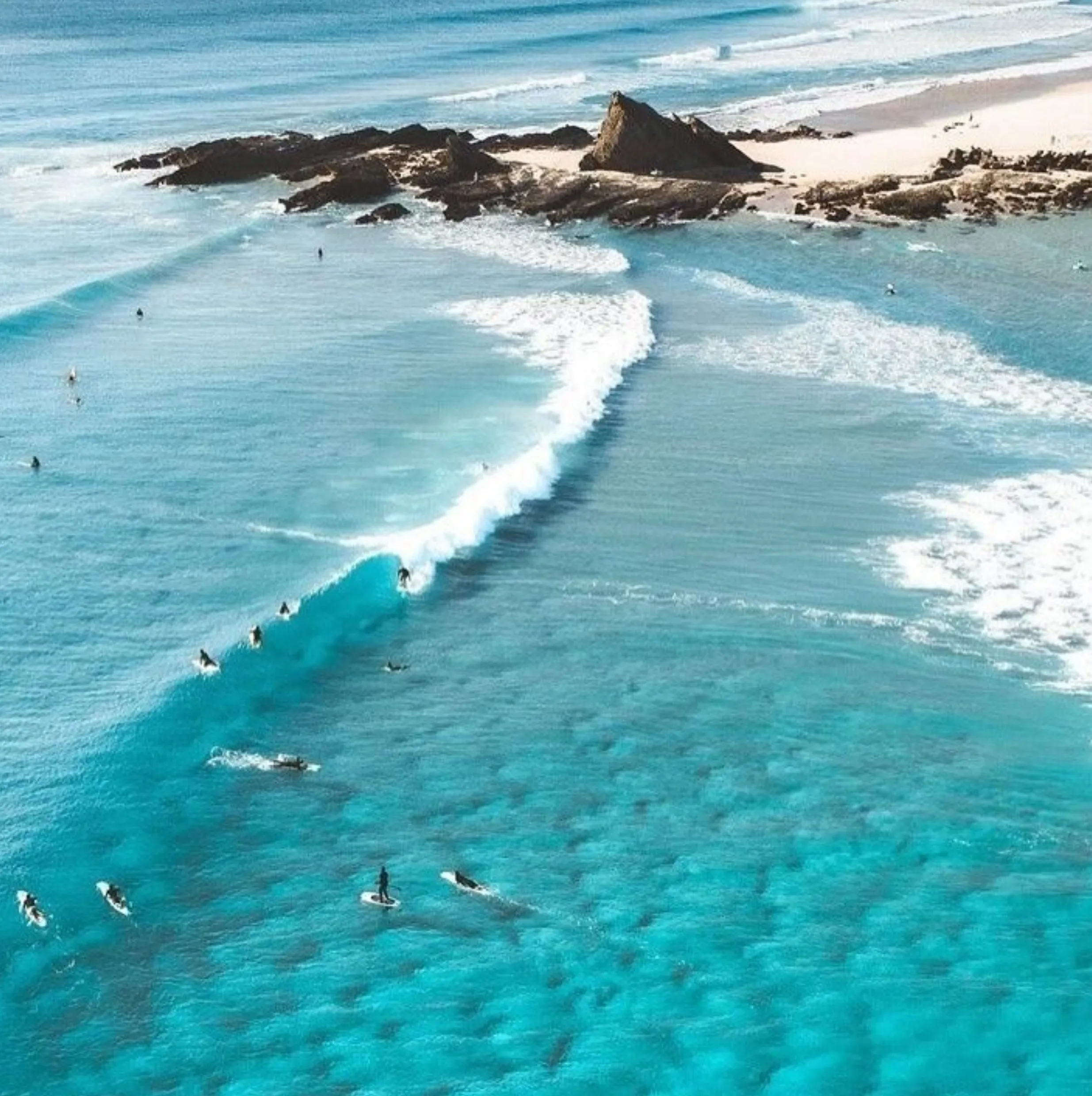
Cities are a great place to start your Aussie adventure, but it’s the regional areas that really give you a taste of what Australia’s all about.
Sydney And The East Coast
Sydney, the harbour city, is the first stop for most international visitors.
But even if you just visit the usual spots like Mrs Macquarie’s Chair, where all the harbour, bridge and Opera House converge in one perfect snap, you’ll get a feel for the city.
Beyond Sydney, though, lies the East Coast of Australia – a long stretch of travel corridor that will take you from New South Wales right into the heart of Queensland.
Some top places to pop in along the way include:
Byron Bay: a pretty-as-a-picture beach town
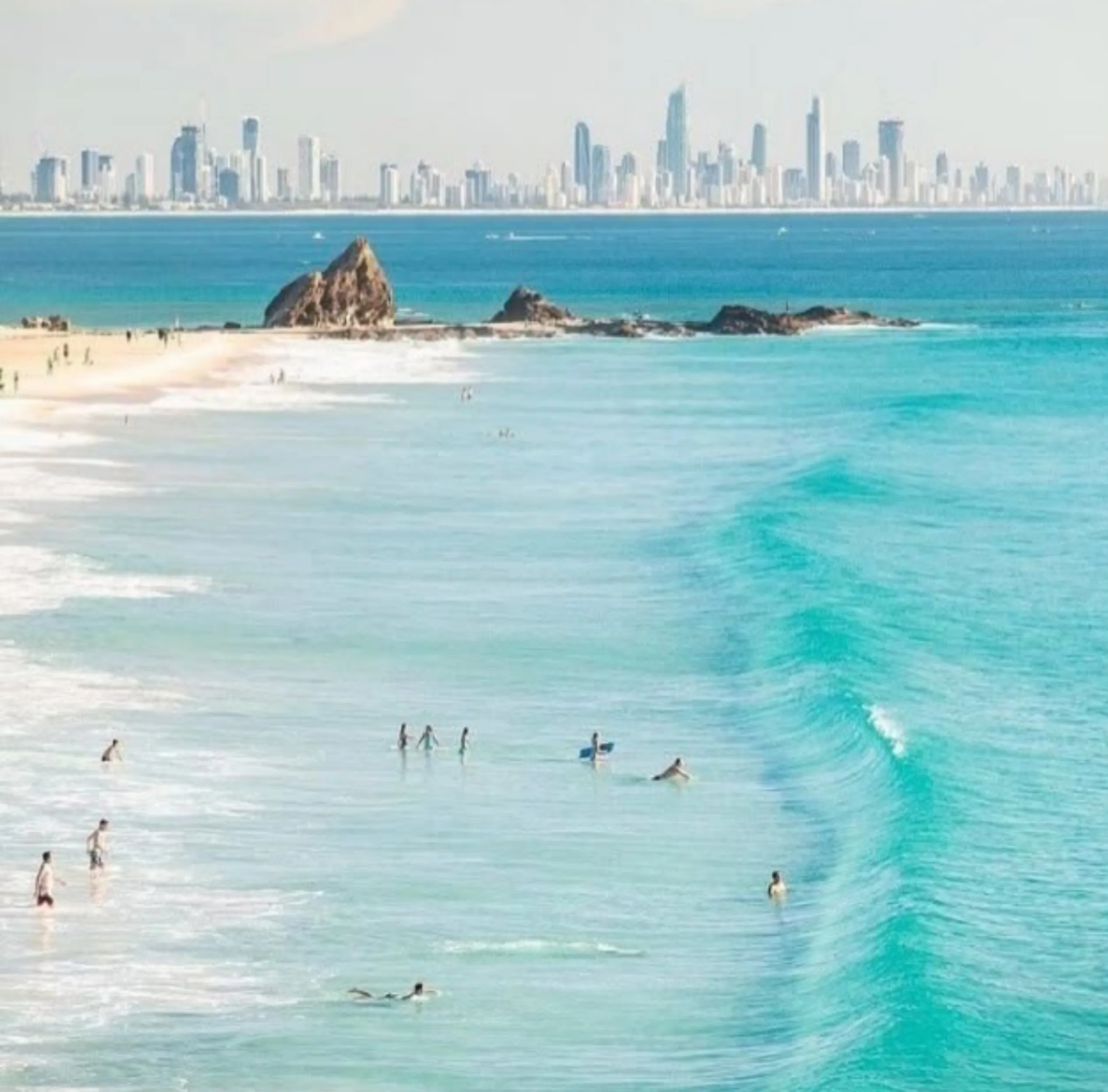
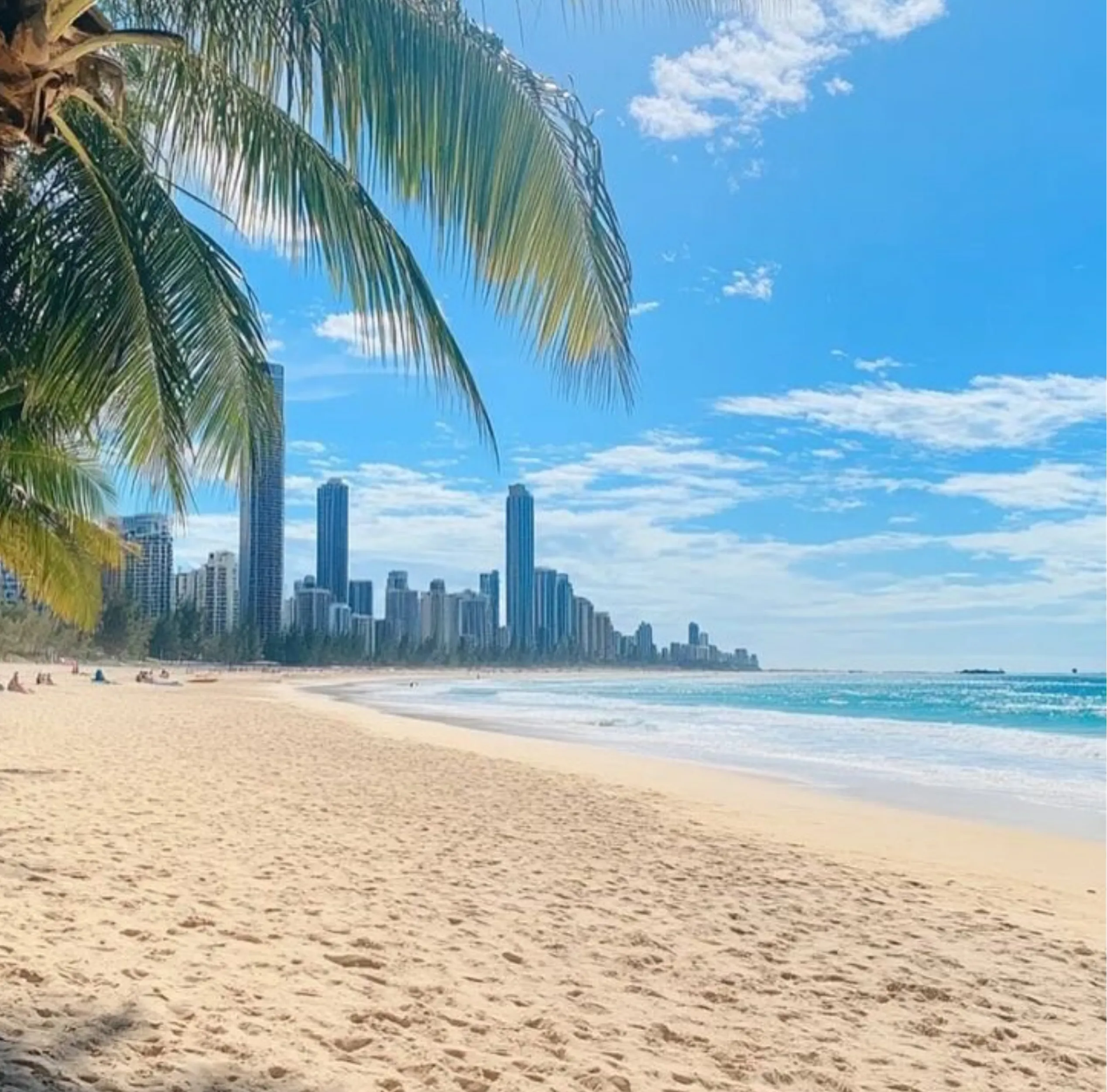
Gold Coast beaches: with their white sand and bright sunshine
And of course, island getaways and little reef towns even further north
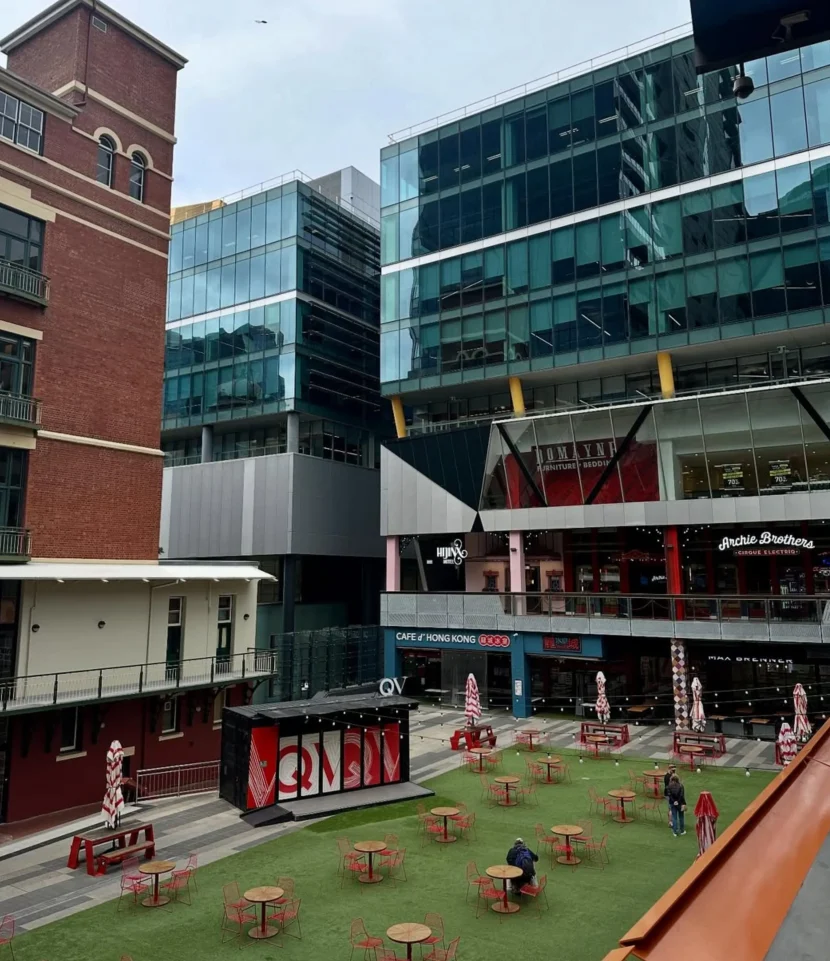
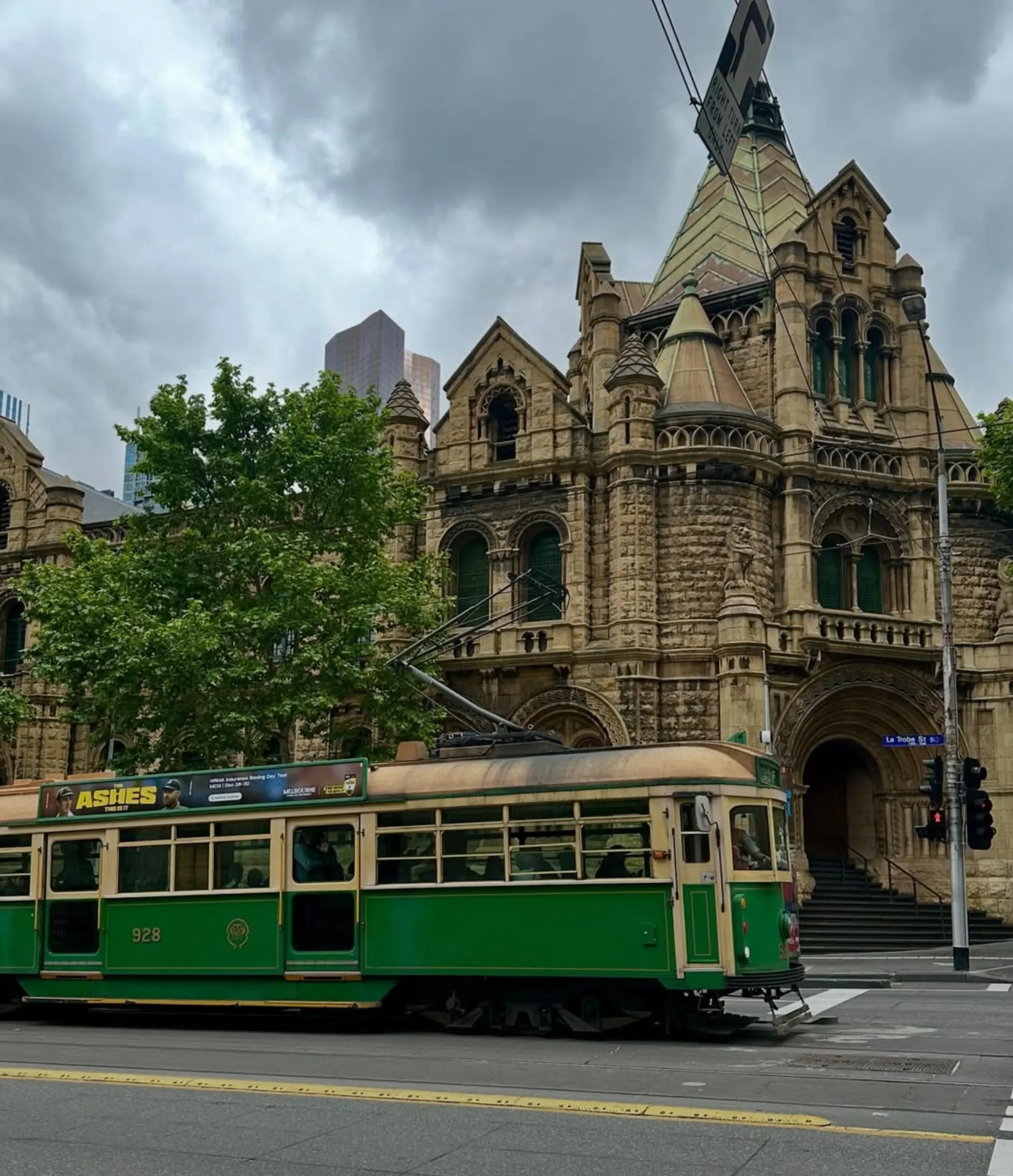
Melbourne And Australia’s Cultural Scene
Melbourne, on the other hand, is the place people flock to for its coffee culture, sports and art scene.
You really should check out:
Laneway street art – just so colourful and vibrant
A stroll along the Yarra River, which has its own special charm
And if you’re in town, don’t miss major sporting events like the Australian Open – an absolute riot.
Melbourne’s also got some of the best wine country in the country right on its doorstep, like the Yarra Valley.
Explore Wine Regions And Regional Food Culture
Let’s be real: Australia’s got some of the best wines and food outside of Australia, too.
Wine regions are the perfect antidote to the hustle and bustle of the big cities.
Some of the top wine spots are:
Hunter Valley, just outside of Sydney – great for a weekend getaway.
Barossa Valley, one of the oldest wine regions in the country.
The Yarra Valley near Melbourne also has some of the best food on offer.
When you visit, you’ll get to taste the local wine at cellar doors, enjoy a vineyard lunch and even stay in some of the most beautiful little boutique hotels.
Consider Where To Stay
Accommodation in Australia – it’s a a jungle out there.
From cities to the middle of nowhere, your options for somewhere to stay are endless – and that’s a good thing.
You can choose from city hotels to remote camps and everything in between.
Accommodation Options For Different Travellers
Type Typical Locations Good For
Boutique hotels Cities & wine regions Couples
Budget guide hostels Major cities Backpackers
Shared accommodation Urban areas Long stays
Glamping sites National parks Nature lovers
Family-friendly resorts Coastal destinations Families
Some travellers even organise longer stays through real estate agents or short-term rentals when travelling for months.
Seasonal Timing
Australia’s seasons vary dramatically depending on location.
Northern regions experience wet and dry seasons, while southern regions follow more familiar seasonal patterns.
Seasonal Overview
Region Best Travel Months Notes
Northern Territory May–September Dry season travel
Tropical North Queensland June–October Lower humidity
Southern states October–April Warmer conditions
Tasmania December–March Summer hiking
Cyclones can occur in northern Australia between November and April, while bushfire risk peaks during southern summers.
Practical Planning Tips For Visitors
Before you even set foot in Australia, sort out the basics so you’re not scrambling when you arrive.
That’s a whole lot less stress for everyone.
Some things to get sorted beforehand include:
Organising an International Driver’s Licence if you’re planning to rent a car.
Sorting out a local SIM card or phone plan so you can stay connected once you hit the ground.
Researching and booking travel insurance and payment options (like a credit card).
Figuring out your accommodation budget and what kind of options will suit you best.
Some travellers who plan on staying a while find it helpful to open a bank account or get a Tax File Number if you’re working at some stage – especially if you’re looking to stay for a longer trip.
Final Thoughts From The Road

The thing about Australia is that it rewards you for slowing down and really taking the time to look around.
So if someone asks you what the top things to do on your first trip to Australia, the answer is simple:
Get between you and an iconic landscape (reef, desert, whatever) – you won’t regret it.
Hit a national park or some of Australia’s incredible wildlife regions – the animals, the plants…it’s all just top-notch.
Take a classic Aussie road trip – you’ll see some amazing sights this way.
Get amongst some of the local culture – it’s a big part of what Australia is all about.
Mix it up a bit by visiting some of the cities, but also getting out to the regions to see what they have to offer.
From the stunning coral reefs to the rusty red deserts of the outback, Australia’s got some truly unforgettable landscapes – but only if you give ’em a fair dinkum go.
And if wildlife encounters are on your bucket list, joining wildlife tours in Australia with Wildlife Tours can be one of the most rewarding ways to experience the country’s unique animals and ecosystems.
FAQ
How long should your first trip to Australia be?
Most visitors aim for 10-14 days to give themselves time to see a few regions without feeling like they’re rushing about.
Is the Great Barrier Reef worth the effort on a first visit?
Absolutely – it’s the world’s largest coral reef system and an absolute must-see.
Should you push to the outback on your first trip?
You should – getting to the Red Centre around Uluru or hanging out in places like Watarrka National Park will give you a totally new perspective on the country’s landscapes.
Is driving across Australia a real challenge?
Driving is generally no big deal in Australia, but those distances can be a killer – always plan your fuel stops and check the weather before you head out into the sticks.
What regions should first-time visitors prioritise?
Most people go for East Coast Australia, the Great Barrier Reef, the Red Centre and some of the awesome coastal drives like the Great Ocean Road.