The Great Ocean Road: What are the best photo spots for first-time visitors? It’s a pretty fair question: What’s the best way to get a great photo around this place? And the short answer is: focus on a handful of the most famous spots like the Twelve Apostles, Loch Ard Gorge, and Gibson Steps, get there during the golden hour, and you’ll come away with some top-class shots without having to fight the crowds all the way.
I’ve been on this coastline loads of times now, and I can tell you it never gets old. I’m talking dodging wind gusts near Cape Otway, getting sand blasted from the Bass Strait, and chasing the right light from Apollo Bay right down to Port Fairy. Whichever way you decide to do it – whether that’s driving yourself or jumping on a Great Ocean Road tours from Melbourne with operators like Autopia Tours – the key isn’t seeing absolutely everything – it’s knowing where to pull over and when to take the shot.
Where The Coast Delivers The Money Shots
You don’t need to stop at every lookout between Torquay and Port Campbell. In fact, what are you missing out on in the best light? You’ll be planning a Melbourne to Great Ocean Road tour, and you’re timing.
The Twelve Apostles – Sunrise Or Bust
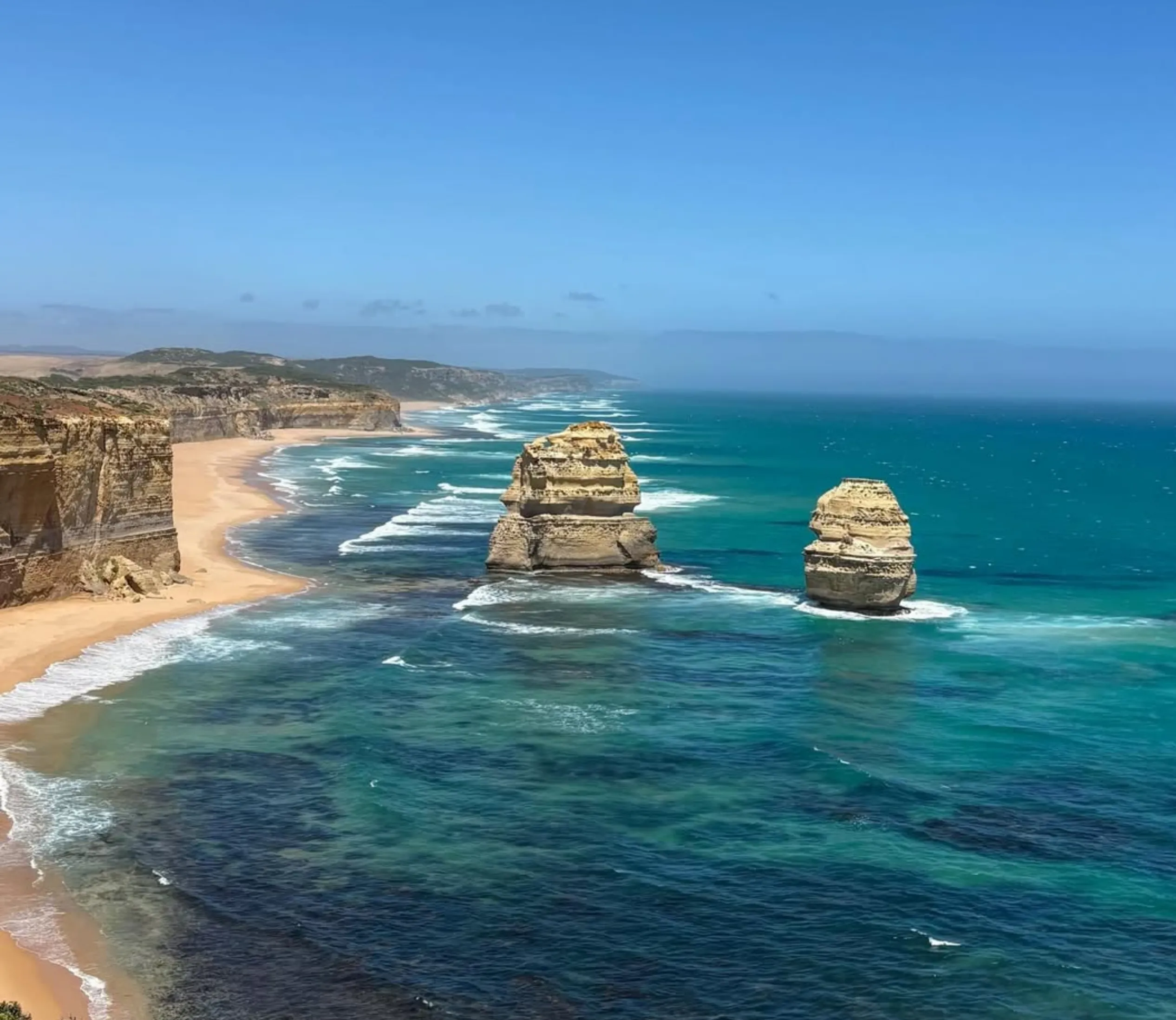
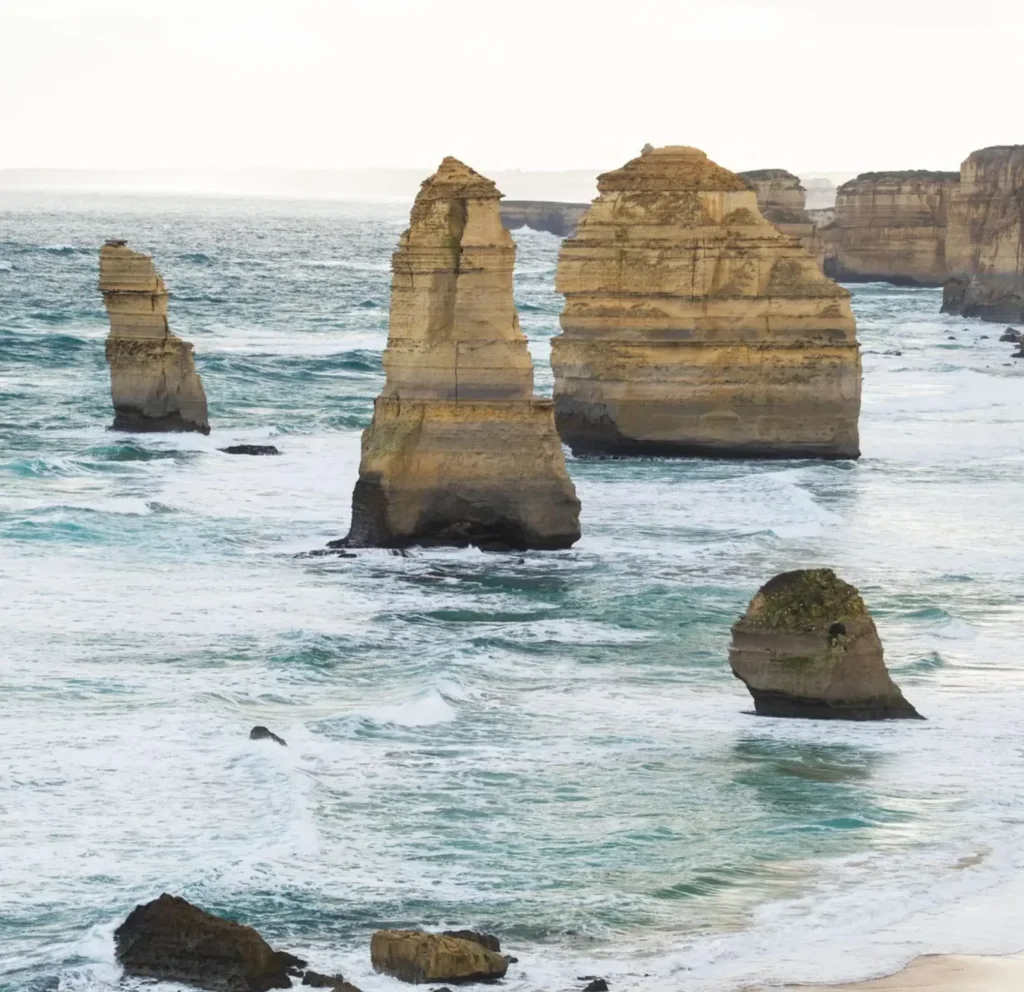
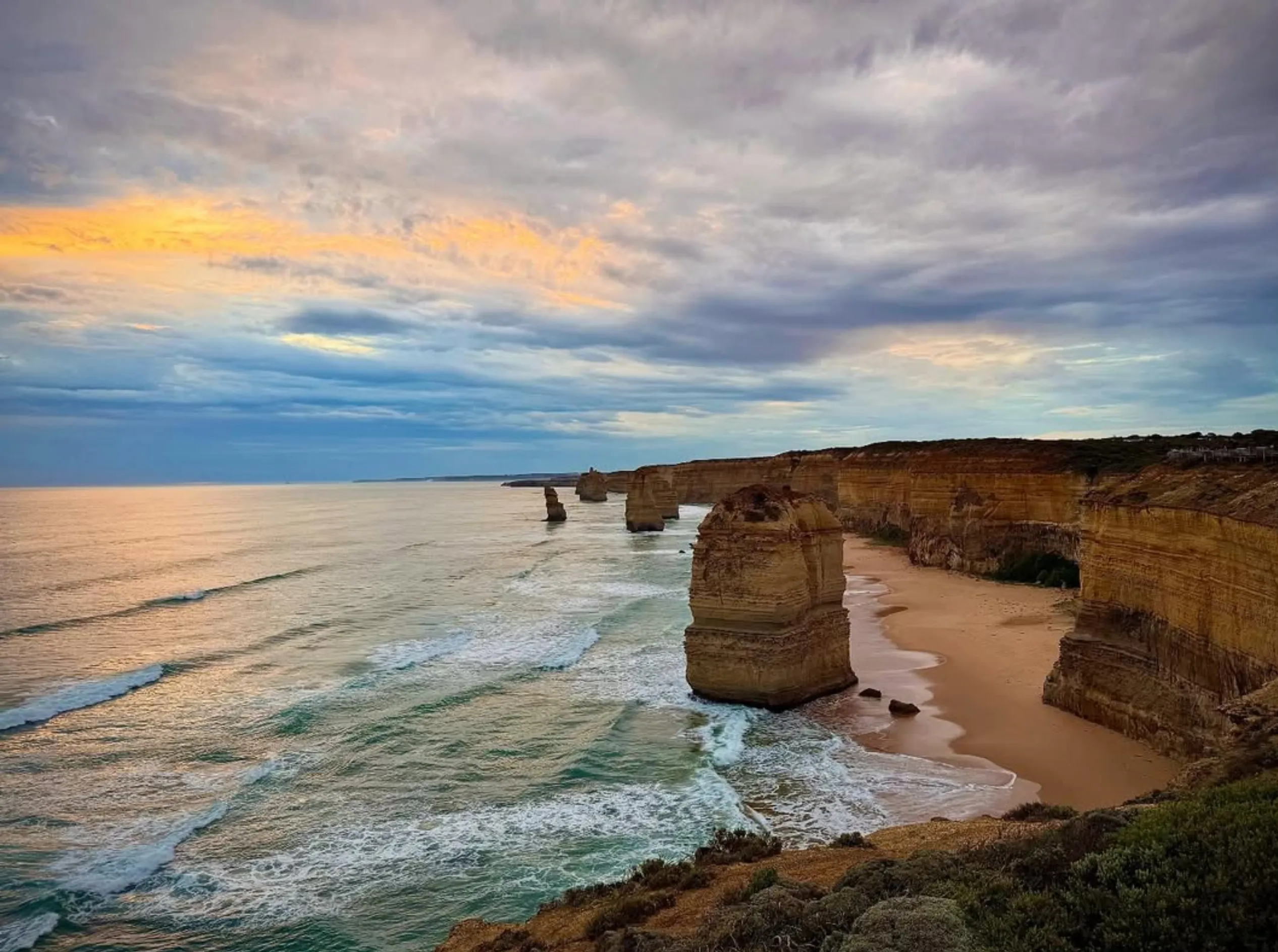
This is the main event. The 12 Apostles – those impossible to ignore limestone sea stacks – take a real beating from the wind and waves all day long.
Getting up for sunrise is a must here. You’ll get that lovely soft light, fewer crazy people around, and a much cleaner frame. By mid-morning, it’s like sardines in a tin – all the tourists arrive.
You can get the classic shot from the main platform, but if you wander on down to Gibson Steps, you get a real sense of scale looking back at those cliffs towering above you. And if you’re a bit of a landscape nut, then you’ll know when it’s time to break out the tripod and start messing with those ND filters – it’s perfect for getting those silky smooth long exposures.
Loch Ard Gorge – Texture, Colour, And Story
Just around the corner in Port Campbell National Park is Loch Ard Gorge – and this is a real gem of a spot. This place has got it all: just the right balance of cliffs, bright water, and a bit of a shipwreck history to boot.
The magic here is all about contrast – the dark rock against the light sand and the blue water… it just works. Plus, you’d think the midday sun would be a disaster here, but actually, it’s the best time of day to get some great shots.
If you’re on a Great Ocean Road tour, this place usually gets included. What a lot of people don’t do is to walk both sides of the gorge – if you do, you’ll have a much better time getting some really sweet angles.
London Arch (London Bridge) – Clean Lines And Movement
This one used to be called London Bridge, but since it sort of collapsed in 1990, it’s now officially called London Arch or London Bridge Arch. What you end up with is a nice, clean structure surrounded by nothing but open ocean.
This is one of those spots where simplicity is key – just try to avoid getting too many distractions in your shot, and you’ll get some great results. It’s also a great place to try out some aperture priority if you’re still getting to grips with your camera.
If you’ve got time for a Great Ocean Road tour 2 days, this is the kind of place where waiting for better light actually pays off.
Gibson Steps – Scale You Can Feel
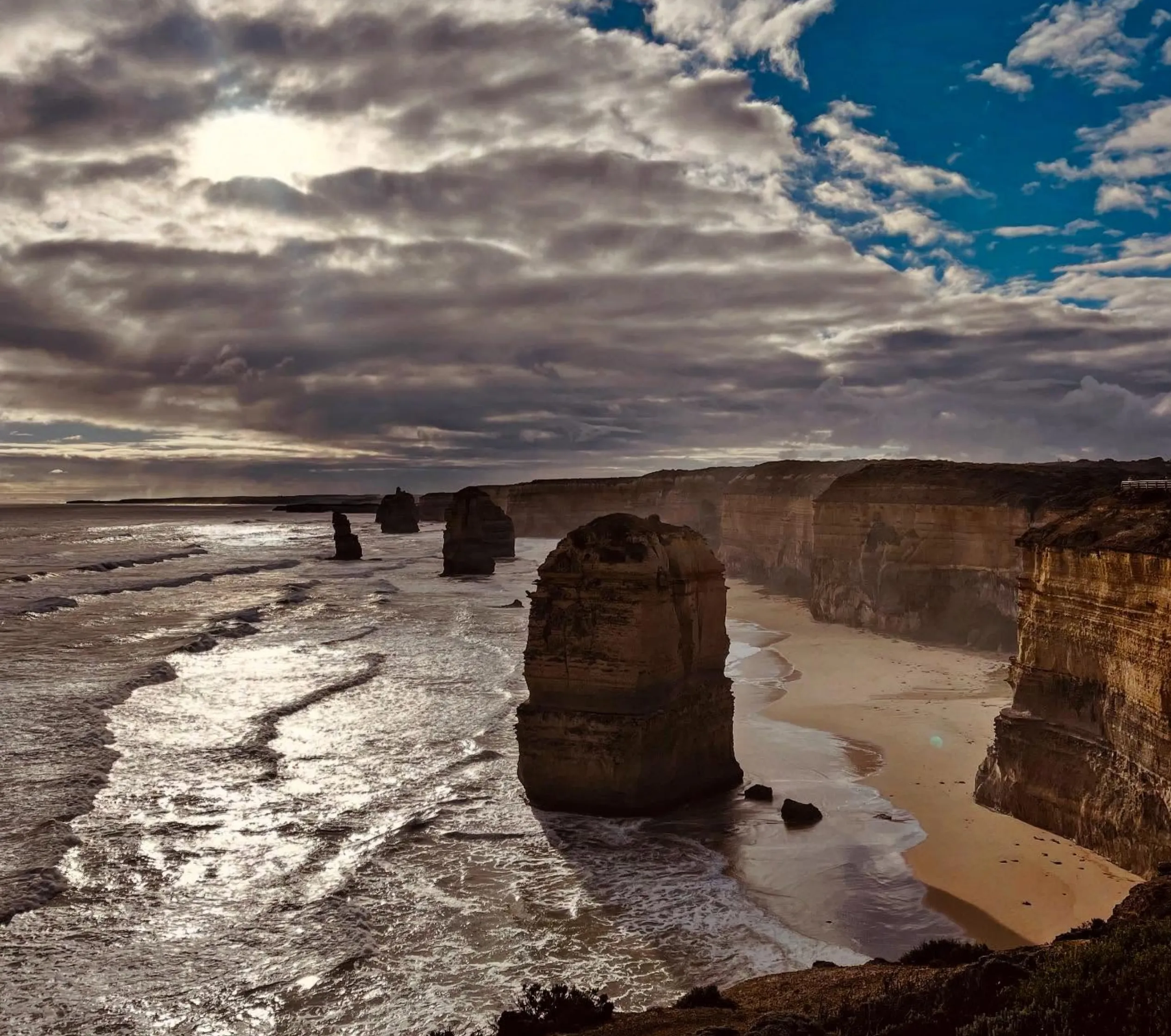
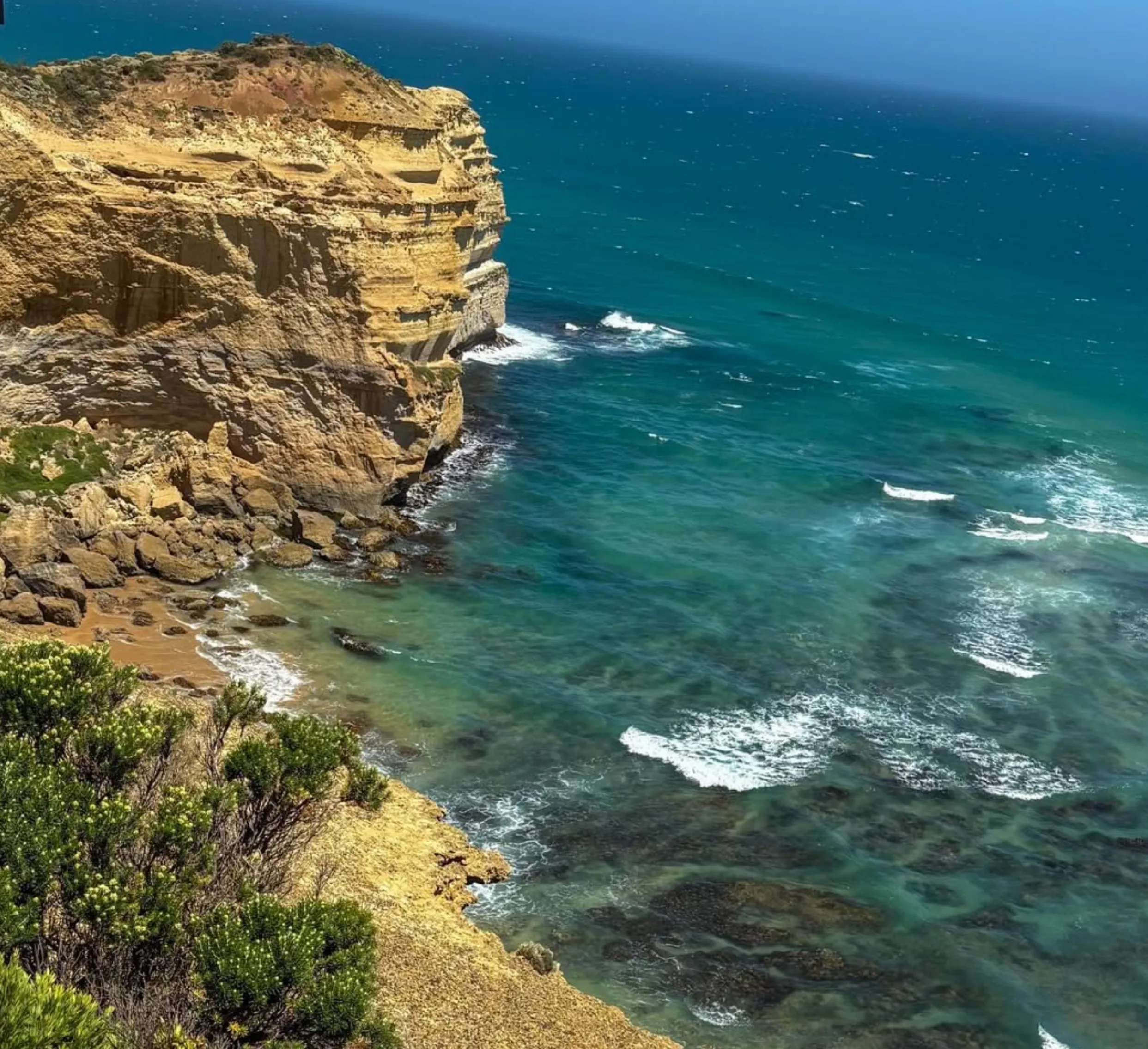
Walking down to Gibson Steps suddenly flips things on their head. Those towering cliffs,s which were just a pretty sight before, are now looming above you, forcing you to feel tiny in comparison.
The waves crash hard here, and the movement they bring is infectious – it’s like the whole place is pulsing with life, adding a dynamic energy to your shots. Just be mindful of the tides and watch your step – those rocks can get slippery quicker than you think.
The Grotto And Bay Of Islands – The Quiet Overachievers
Most people turn back at the Apostles, but that’s a mistake. Keep on going, and you’ll get a head start.
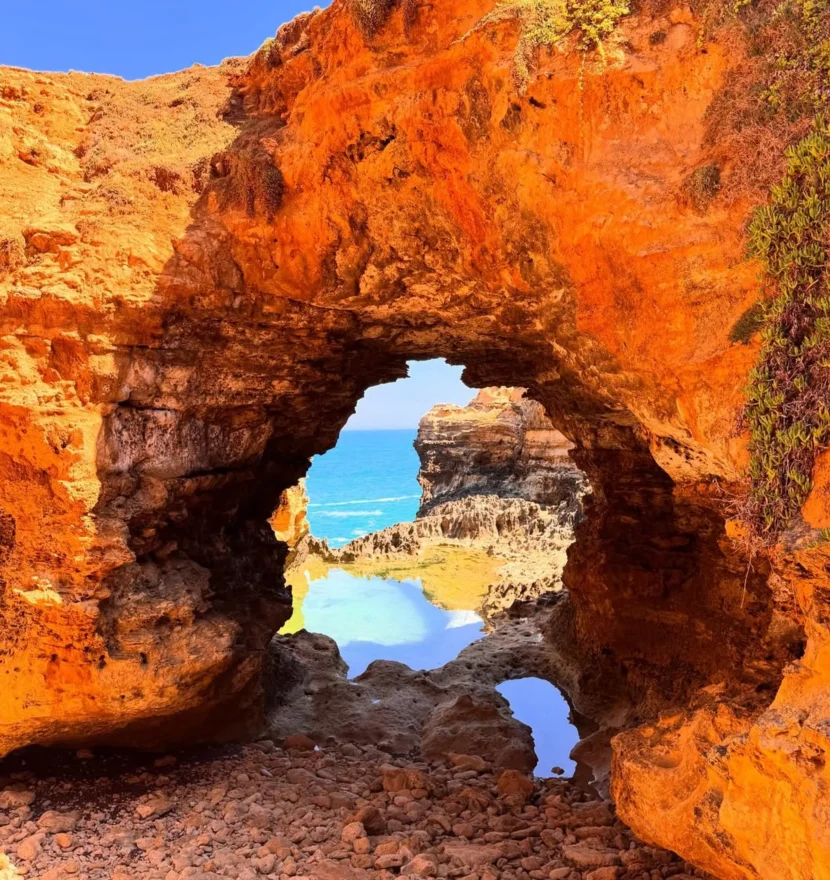
The Grotto is a natural masterpiece – a rock ‘window’ that frames the ocean with perfect simplicity. And then there’s the Bay of Islands Coastal Park and Bay of Martyrs, which offer sweeping views without the crowds that swarm the Apostles.
This stretch of coastline is often quieter, more off the beaten path – and in a way that’s better for clean, uncluttered compositions. If you’re chasing that ‘no one else in the shot’ look, you’ll find it here.
Teddy’s Lookout And Marriners Lookout – The Classic Road Shot
Up near Lorne, Teddy’s Lookout and Marriners Lookout are the places to go for that quintessential road-meets-ocean shot that’s synonymous with the Great Ocean Road.
The light here is best late in the day, when the sun sets over the curves of the road and the coastline. It’s like the lighting is working for you – all you have to do is show up at the right time.
If you’re on a guided tour (like with some of the bigger operators in Melbourne – people like Autopia Tours come to mind), timing these lookouts right is where the real pros shine – they know when to be in the right spot to make the most of the light.
Quick Planning Table: Best Photo Stops At A Glance
Location Best Time Photo Style Time Needed Twelve Apostles Sunrise Wide coastal landscapes 45–60 mins Loch Ard Gorge Midday Colour + contrast 30–45 mins London Arch Afternoon Texture + motion 20–30 mins Gibson Steps Sunset Scale + perspective 30 mins Bay Of Islands Sunset Quiet coastal frames 30–45 mins
Otway Rainforest Detours Worth The Extra Kilometres
The coast gets loads of attention, but it’s inland where the real change happens – and what a change it is. The Great Otway National Park (or just the Otways to regulars) – lush rainforest, plunging waterfalls, and a mood that’s worlds away from the coast.
Waterfalls And Forest Shots
If you’ve got the time, these spots are well worth a visit:
- Hopetoun Falls – one of those picture-perfect falls you’ve seen on every postcard.
- Triplet Falls – three falls in one – it’s a given you’ll be getting lots of great shots.
- Beauchamp Falls – one of those real knock-your-socks-off waterfalls
- And of course, the Californian Redwoods (more commonly known as the Redwood Forest) – after the US, Australia’s got no shortage of these mighty giants.
With so much shade, the light is low and soft, so you’ll definitely need a tripod. Long exposures really come into their own in this sort of light – water gets silky smooth, and the forest takes on a serene stillness.
Wildlife And Coastal Moments You Can’t Stage
If you swing into Kennett River, you’ll likely spot a few koalas snoozing in the gum trees. If you’re looking for a bit of action, head on over to Bells Beach – home to the famous Rip Curl Surfing Competition and the Ripcurl Bells Pro. They’ve got a real buzz about the place.
A bit further along, places like Wreck Beach, Cape Patton, and Split Point Lighthouse near Aireys Inlet give you even more variety – and this time it’s a bit more rough-around-the-edges, a bit more character.
Gear You Actually Need (Not Instagram Fantasy Stuff)
Let’s keep things simple
Essentials:
- A camera or phone
- A tripod – you can’t get a good shot without one, trust us
- ND filters – these will keep your shots consistent
Optional:
- If you’re serious about photography, you might find a DSLR like a Nikon D300 comes in handy.
- A ball head like Really Right Stuff BH-40 stability.
- And if you like a bit of fun, a Polaroid SX-70 for instant photography isn’t a bad idea.
Real-World Conditions First-Timers Always Underestimate
The Bass Strait can turn nasty on you in an instant. One minute it’s calm, next minute it’s blowing sideways, and your rattling.
The drive itself is 243 Kilometres – but when you factor in stops, it’s easily a whole day. And if you’re stuck in traffic – forget about it.
That’s where signing on for a Great Ocean Road tour from Melbourne can take the stress off – no parking worries, no navigation headaches, just timing and stops sorted out for you.
A Simple Itinerary That Works
Morning – The Perfect Start
Head off early to drive or join a tour to get to the Great Ocean Road – the Melbourne to Great Ocean Road tour is a great option.
Catch the sunrise at Twelve Apostles and get that perfect shot – watch the light come up and try to be there a little early.
Midday – Where The Road Takes You
A stop at Loch Ard Gorge is a must – it’s an incredible spot.
Then head to the London Arch – this place never fails to impress.
Afternoon – The Best Bits
Take a walk down the Gibson Steps – the views from there are stunning.
If you’re up for it, take the Otway detour – it’s a bit out of the way but worth it.
Evening – The Perfect Spot
Get to Teddy’s Lookout in time to see the sun go down over the coastline – it’s magic.
Where To Stay If you’ve got the time, take a more leisurely pace and stay near Port Campbell Holiday Park – especially if you’re on a Great Ocean Road tour that lasts two days.
My Honest Take After Years On This Road
The secret to capturing some amazing shots is to slow down. Don’t try to get every single shot – take the time to watch how the light hits the cliffs and wait for the right moment.
Whether you’re driving yourself or on a tour with Autopia Tours, this is the best way to really experience the Great Ocean Road.
FAQ
What’s the best time of year for photography?
For me, the autumn and spring are the best. The crowds are smaller, the weather is more stable, and the light is great.
Can I do this as a day trip from Melbourne?
Technically, yes, but it’s going to be a long day. I’d really recommend spending the night somewhere in the area – it’s much more relaxing.
Is it really worth getting up for sunrise at the Twelve Apostles?
Absolutely. There are fewer crowds, the light is better, and your photos will be so much stronger for it.
Do I need to spend a fortune on photography gear?
No – positioning and timing are more important than having the most expensive camera equipment.
Are guided tours worth doing?
For first-timers, yes, definitely. Get a good tour operator like Autopia Tours to handle all the logistics and timing – it’s a much less stressful way to see the sights.