If you’ve been in the industry long enough, you’ve probably asked yourself, “Where to find nano brow vs. microblading conversion courses?” – especially after watching more and more of your clients struggle with uneven results and subpar pigment retention from outdated techniques. I was there too, wondering what was going on.
Working at Cosmetic Tattoo Studio Melbourne Face Figurati, I’ve seen my fair share of artists who initially went through a microblading training (or even the full microblading brow course) – only to figure out too late that their skills needed a serious update if they were going to keep up with what the industry’s been expecting from us. The beauty industry is in a state of flux – & nano techniques are at the forefront of all this change.
Let’s be real here – no fluffy sales pitch, no hype – we’re going to get down to business, and lay out what actually works, where to get the training they need and how to pick the right conversion course for that next step in cosmetic tattooing.
Modern Brow Techniques Are The Old Ways Doing Out
The shift isn’t just some fleeting trend; it’s a change driven by solid, real-world results. Over the years, I’ve started to see a pattern emerge: clients are after brows that are soft & natural-looking, with a finish that ages well – not harsh strokes that blur or fade in all the wrong places.
Microblading – as reliant as it is on manual tools like those microblading blades – tends to struggle with consistency. It all comes down to hand pressure, and over time, repeated treatment can start to affect the skin in ways you wouldn’t want. This usually leads to patchy pigment retention and all sorts of colour shifts.
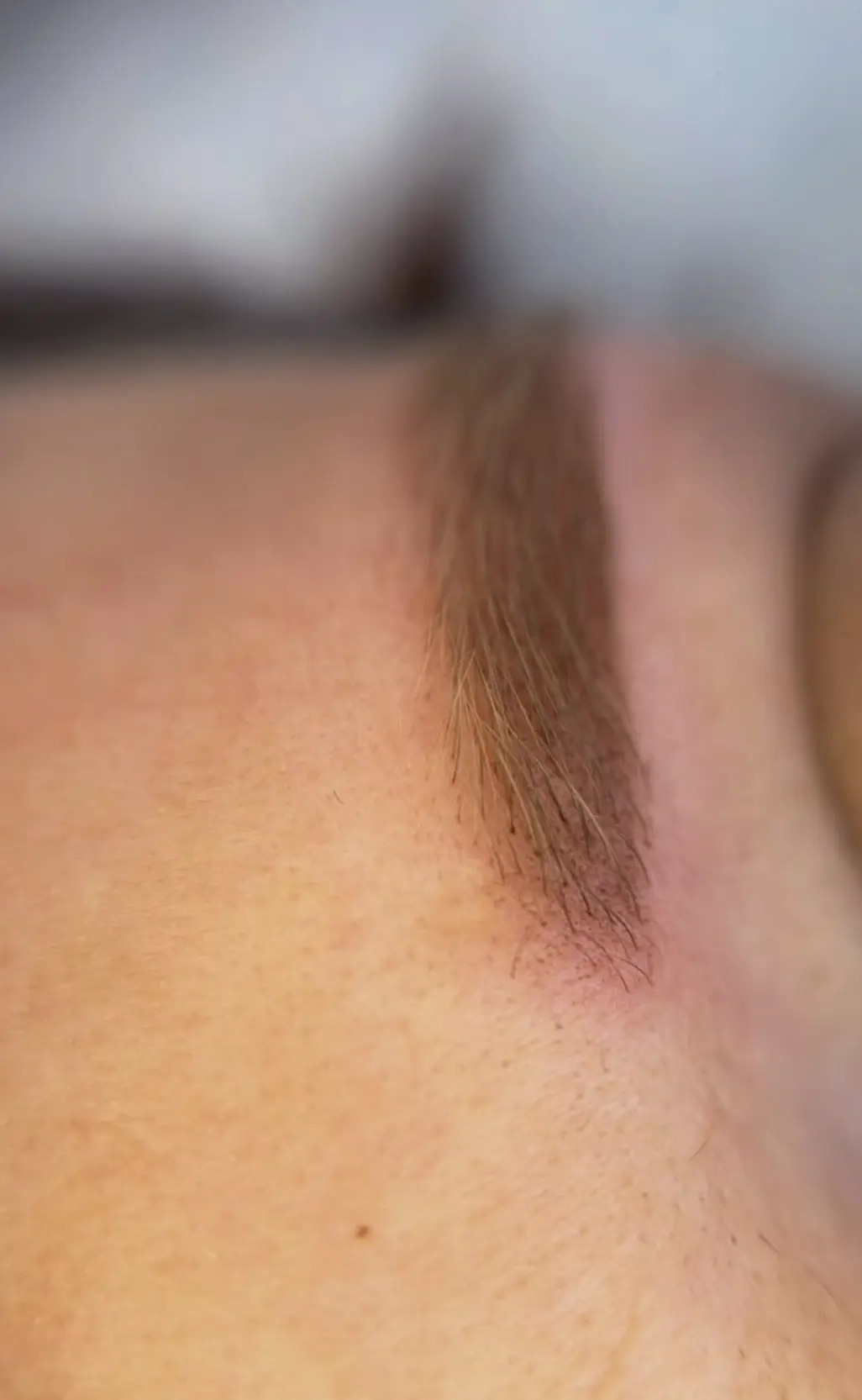
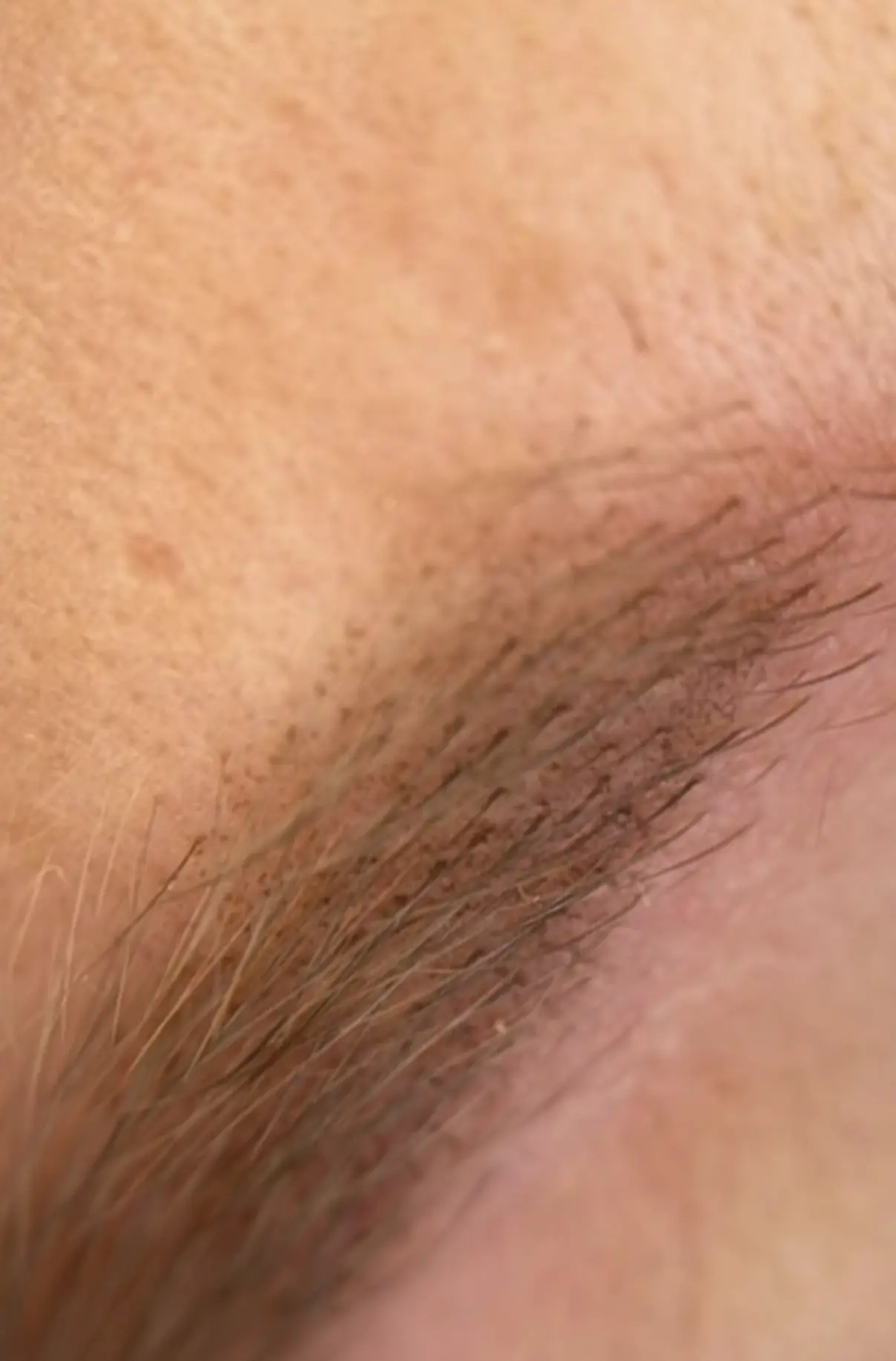
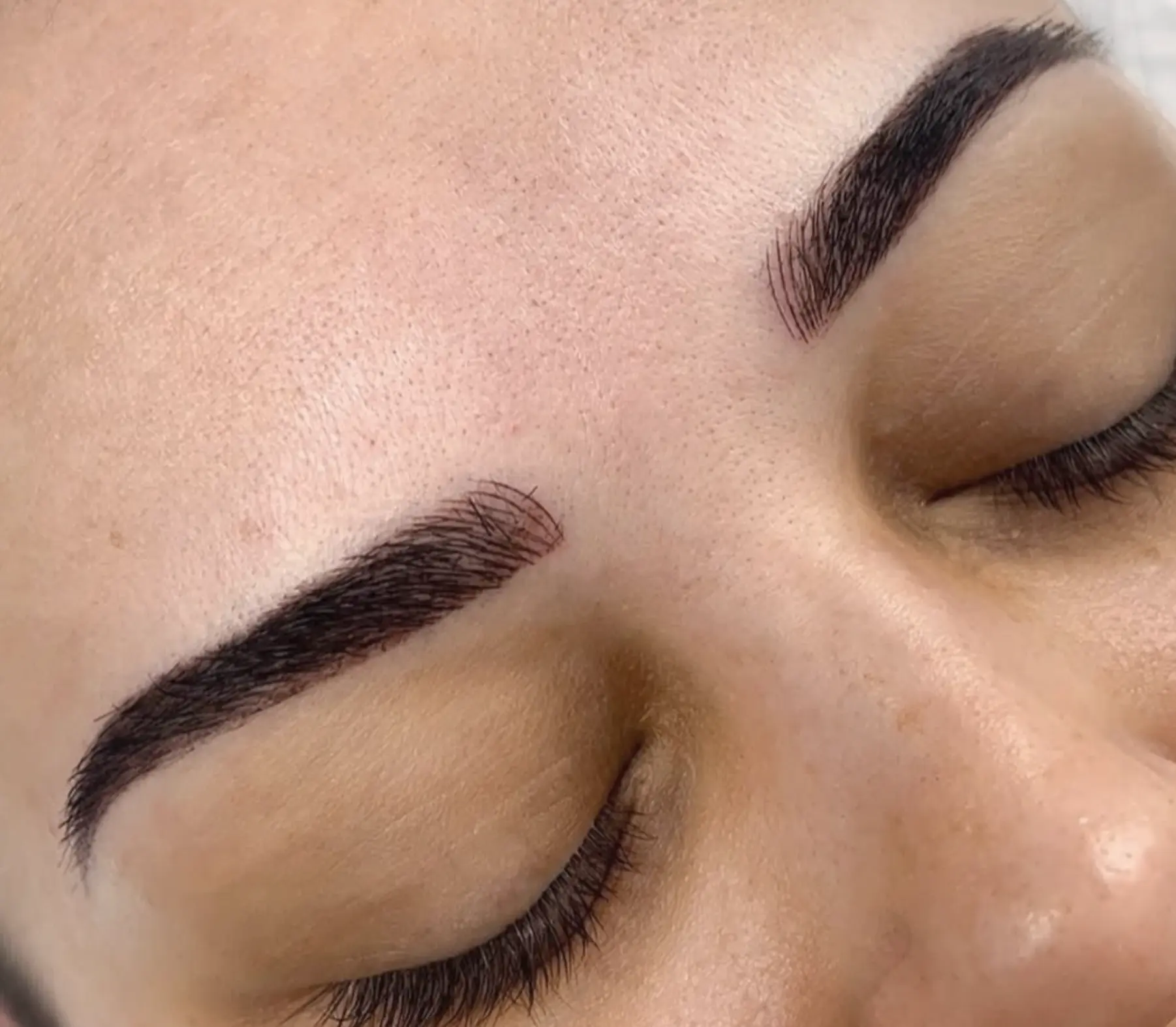
Nano brows, done with a digital tattoo machine or a good old-fashioned cosmetic tattoo machine, show you a better way. By using a single ultra-fine needle, we can implant pigment with greater precision – creating nano-hair strokes that follow the natural brow hair growth pattern for a finish that’s softer & more hyper-realistic. And the result? Heals a heck of a lot better across all sorts of skin types.
What You Should Learn
Not all training sessions are created equally – and this is where many artists are just throwing good money after bad.
A proper facial tattoo course needs to go far beyond the basics and cover some advanced stuff – including:
Machine Skills And Stroke Precision
- How to use a cosmetic tattoo machine vs manual tools
- Understanding needle depth and pressure
- Creating nano hairstrokes that follow natural brow anatomy
Skin Behaviour And Pigment Stability
- Skin analysis and how different skin types affect healing
- Pigment theory and brow colour mixing based on hair colour and undertones
- Choosing the right pigments for nano for stable healed results
Designing Brows That Actually Suit The Face
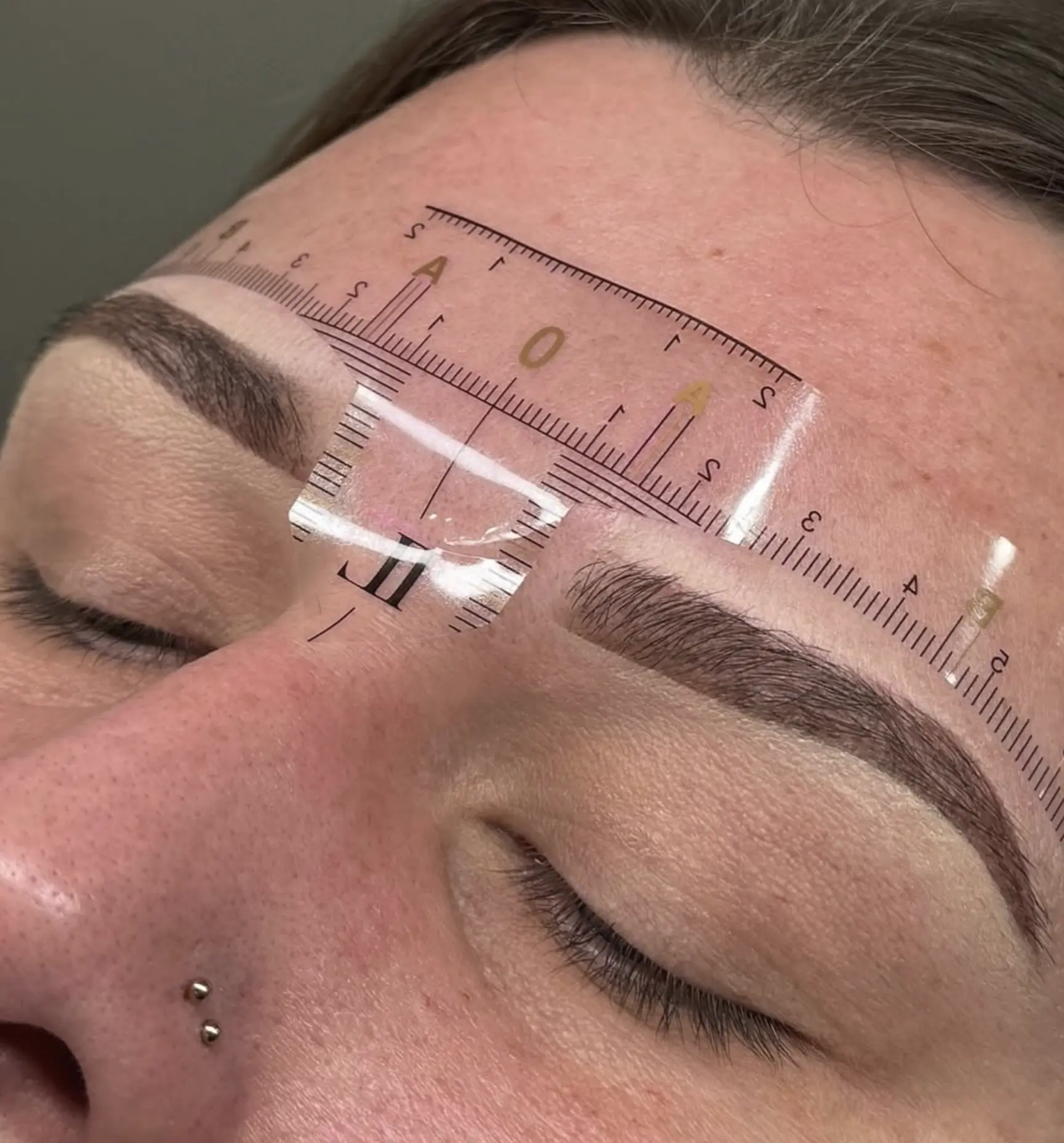
- Brow mapping using the golden ratio and face symmetry principles
- Eyebrows mapping techniques for balanced design
- Signature brow mapping tailored to each client
Hygiene And Client Protection
- Infection control standards and hygiene protocols
- Protecting client safety during cosmetic tattoo procedures
- Proper use of disposable hand tools and pigment rings
Real Practice (Not Just Watching)
You should be working on:
- Latex skin and training mats
- Latex pattern practice for stroke consistency
- Live models under supervision
At Face Figurati, we see a lot of students who’ve done courses in fine line tattooing or lip tattooing but just haven’t got enough training on actual brow work – that’s why conversion education is so important.
How To Identify High-Quality Training Providers In Australia
Here’s the truth – the best training doesn’t always come from the biggest advertising budget.
Signs Of A Strong Cosmetic Tattooing Centre
You need to be looking for:
- Places that offer face-to-face training – not just online modules
- Trainers with real-world reputation, not just social media
- Programs that cover actual qualifications and skills
A good cosmetic tattooing centre should:
- Teach you how to fix brow corrections
- Prepare you for client consultations
- Focus on long-term healed results
Many artists who come to Cosmetic Tattoo Studio Melbourne Face Figurati tell us they trained elsewhere – but didn’t feel confident working on real clients, which is a pretty clear sign the course just didn’t cut it.
Why Melbourne Artists Tend To Advance Faster In This Field
Melbourne stands out because:
- Clients want natural and refined results
- Artists must meet strict infection control standards
- There’s a wide mix of skin types
It’s also common for artists who’ve done lip tattoo courses or other cosmetic tattoo training to return for advanced brow education once they see how strong the demand for nano techniques is.
Understanding Training Investment
Let’s talk numbers — because choosing the cheapest option often leads to re-training later.
| Course Type | Typical Duration | Cost Range (AUD) | What You Get |
|---|---|---|---|
| Basic Conversion | 1–2 days | $1,500–$3,000 | Theory + latex practice |
| Advanced Nano Training | 2–4 days | $3,000–$6,000 | Hands-on + live models |
| Masterclass / Refinement | 1–2 days | $1,000–$2,500 | Brow correction + advanced technique |
Pricing note (2026): Costs vary based on the trainer’s experience and whether a professional kit is included.
Smart Questions To Ask Before You Commit To Any Course
That’s where experience really counts – because slick marketing doesn’t always mean quality education.
Key Questions
- Do they teach skin analysis and pigment theory properly?
- Will you get hands-on brow mapping practice?
- Is client consultation training included?
- Do they explain pigment behaviour and healing?
Warning Signs
- Courses focused only on tools and kits
- No focus on client safety
- No live model practice
I’ve seen students come in after doing a microblading brow course where they only practised on latex, then panic when working on a real client. That kind of gap is huge.
What Your Training Journey Will Actually Look Like
Before You Start
- Revise infection control standards
- Assess your current skill level
- Prepare to switch from manual to digital machine
During The Course
- Practice client consultation and brow mapping
- Hands-on work with digital machines
- Create different brow styles using hairstrokes
After Completion
- Work on real clients
- Build a healed results portfolio
- Refine colour mixing and technique
At Cosmetic Tattoo Studio Melbourne Face Figurati, we tell our artists: training is just the first step – your first 10–20 clients will define your skill level.
A Real Studio Example Of Brow Correction Success
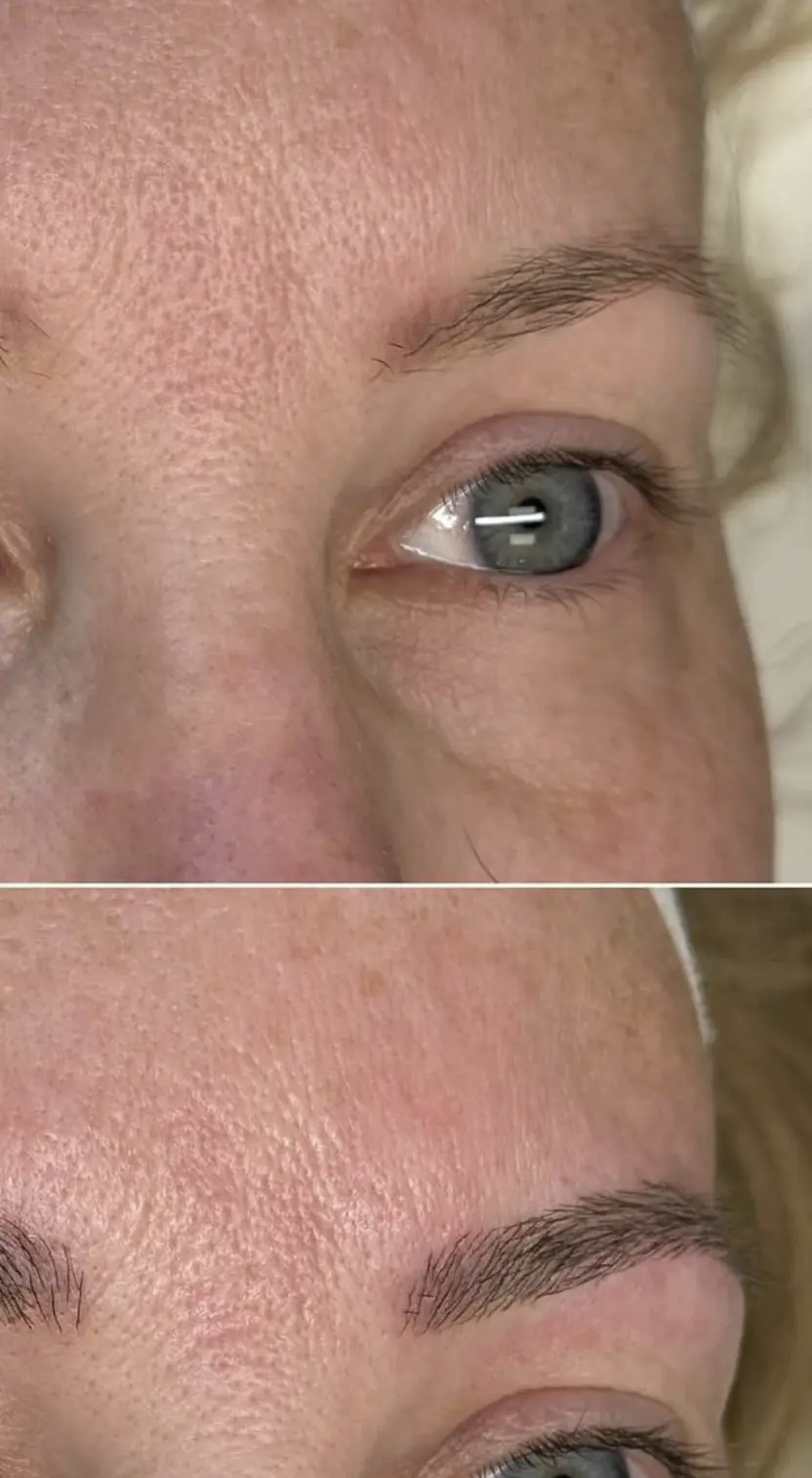
One client came to us after multiple treatments elsewhere. Her brows had lost shape and pigment faded unevenly.
We started with full skin analysis and detailed consultation, then performed a correction using nano hairstrokes with carefully selected pigment.
Six weeks later, the result was soft, natural-looking brows with balanced colour and no harsh lines.
That’s what happens when training and technique are done properly.
Final Thoughts: Invest In Skills That Actually Deliver Results
If you’re serious about advancing in permanent makeup, choosing the right conversion course is about more than learning a new technique.
It’s about:
- Delivering consistent, healed results
- Maintaining client safety
- Building a long-term career
At Cosmetic Tattoo Studio Melbourne Face Figurati, we focus on real-world results – not trends. Many artists come through after completing lip tattoo courses, cosmetic tattoo training, or fine line tattoo courses – ready to level up their brow work.
Not sure where to go next? Take your time and choose training that actually builds skill, not just certificates.
FAQ
Do you need experience before learning digital machine techniques?
Not necessarily – but if you’ve done microblading training first, you’ll adapt faster.
Why is face structure analysis important?
Because even perfect strokes won’t work if they don’t match facial anatomy.
What equipment is used during training?
Most courses include a digital machine, pigment rings, and pro kit for nano techniques.
How long to build confidence?
Most artists improve significantly after 10–20 real clients.
Is in-person training better?
Yes – face-to-face feedback is far more valuable than online-only learning.