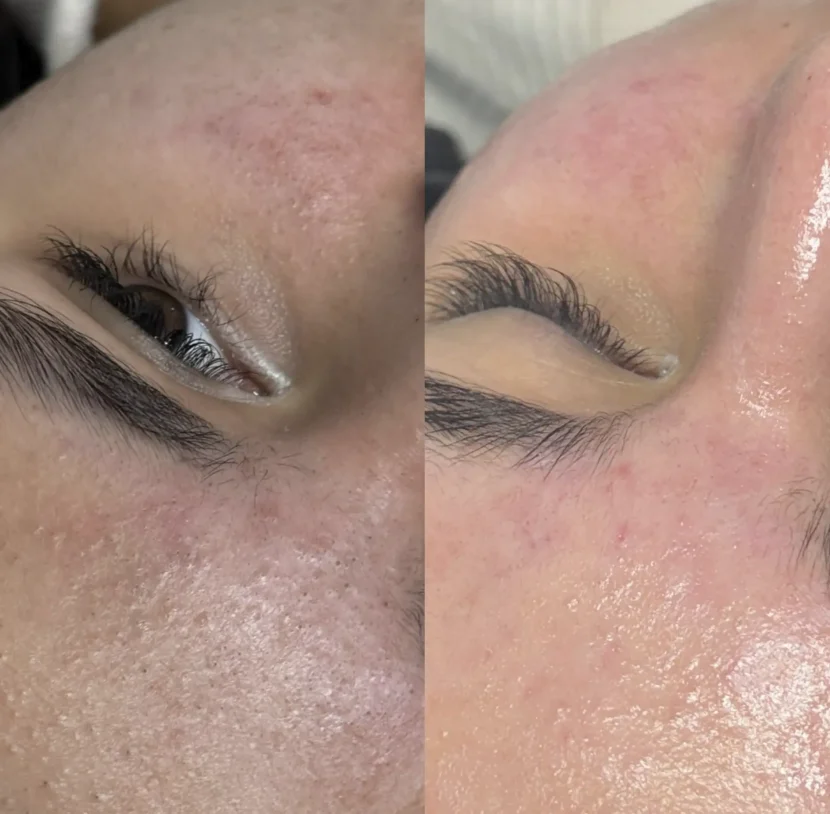
Can a hydrafacial repair a barrier damaged by overusing tretinoin? The short version is that a hydrafacial can lend a hand in repairing your skin barrier – but, bluntly, it’s not going to be a magic fix on its own. Getting your skin barrier back on track means calming inflammation, rebuilding your lipid barrier, and maybe even stepping back from over-relying on active skincare ingredients like tretinoin.
Hi, I’m Sevine Forster, a skincare professional who’s seen this exact thing happen time and time again in my treatment room. People often come in asking about a Hydrafacial in Brisbane after messing up with vitamin A, and are convinced it’ll instantly sort out their skin. While Hydrafacials are lovely, it’s just not that simple – you can’t rush skin repair.
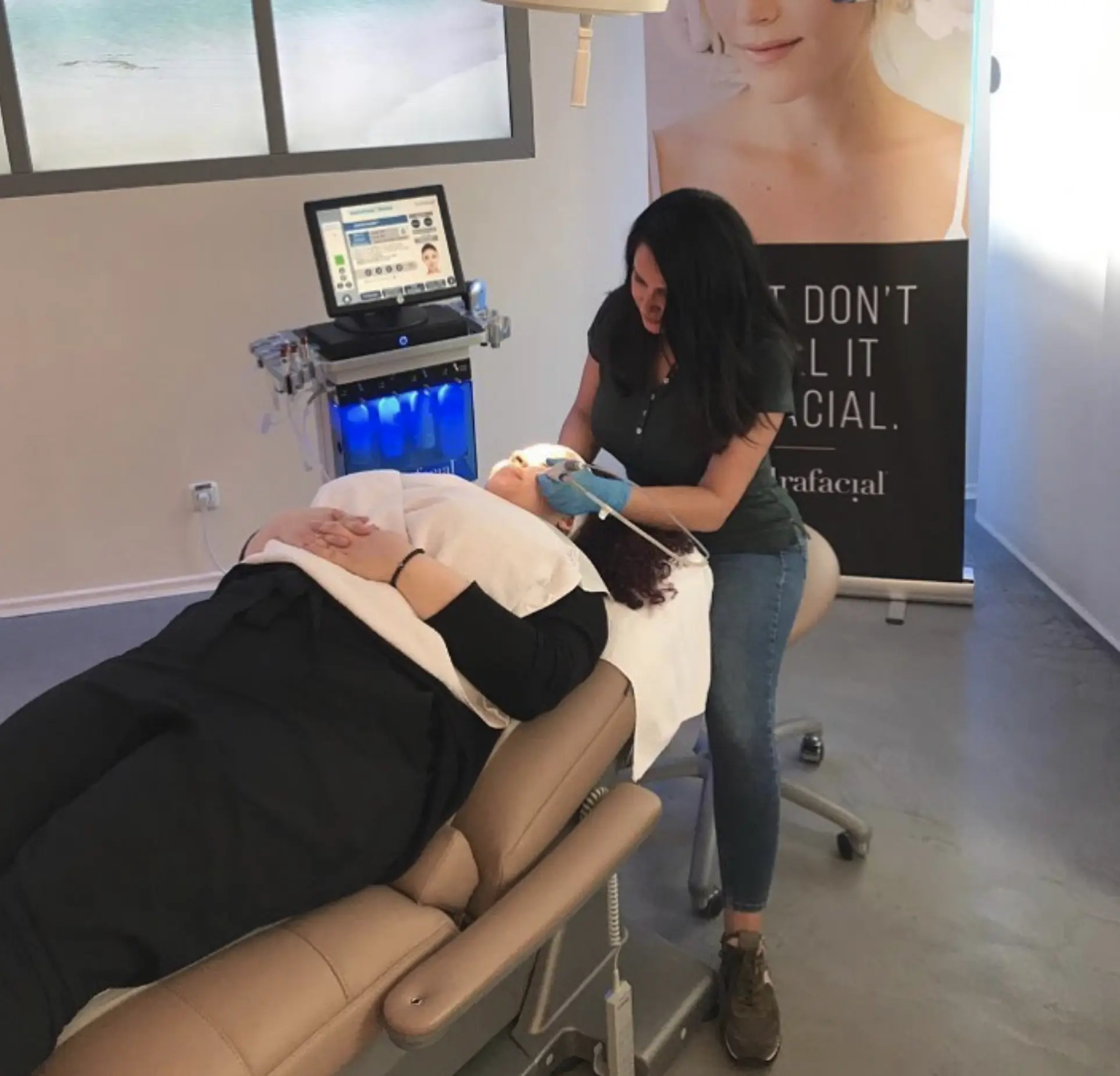
Understanding Why Your Skin Suddenly Feels Reactive
Before we get to treatments, it’s high time we got some understanding of what’s going on with your skin – and that all starts with why your skin has changed in the first place.
What’s Happening Beneath The Surface
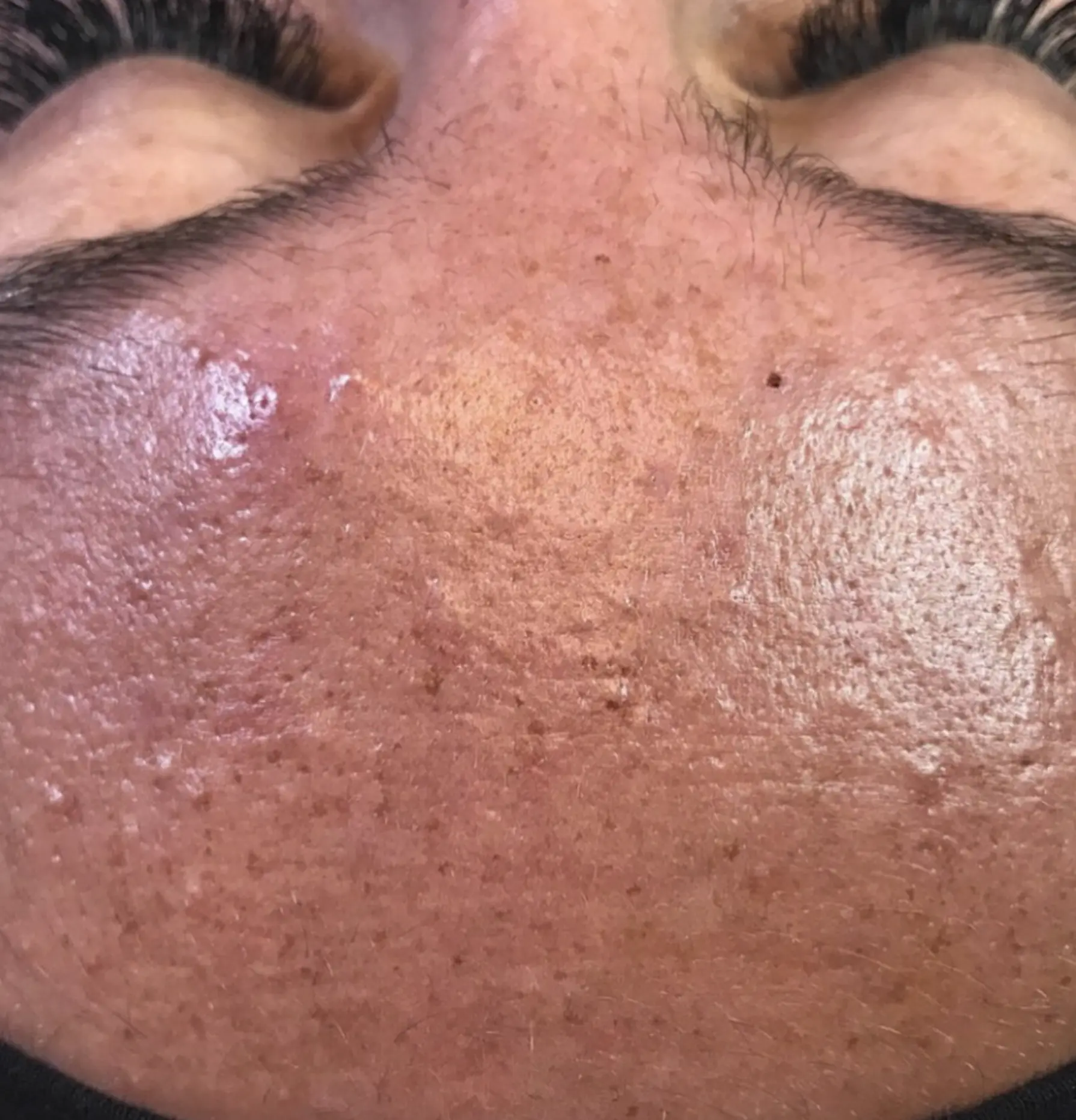
Overusing that retinoid cream can cause cell turnover to speed up way too fast, and that leaves your outer protective layer (the stratum corneum) feeling, well, a bit battered. It weakens your lipid barrier, knocks down your natural fatty acids, and just lets water leak out.
And the result of all this is:
- You’re hypersensitive to products that used to be fine
- Your skin’s gotten tight and dehydrated
- It’s all red and inflamed
- You’re breaking out because it’s irritated, not because you’re congested
They call this ‘retinoid dermatitis‘ – and it’s especially common when you’re mixing it with some harsh chemical exfoliants like alpha hydroxy acids or salicylic acids.
A Real Treatment Room Moment
I had a client come in, convinced that she needed to go all out with stronger treatments. But the thing is – her skin didn’t need more, it needed less. Once we dialled back on the actives and concentrated on repairing her barrier, her skin settled right down within a couple of weeks.
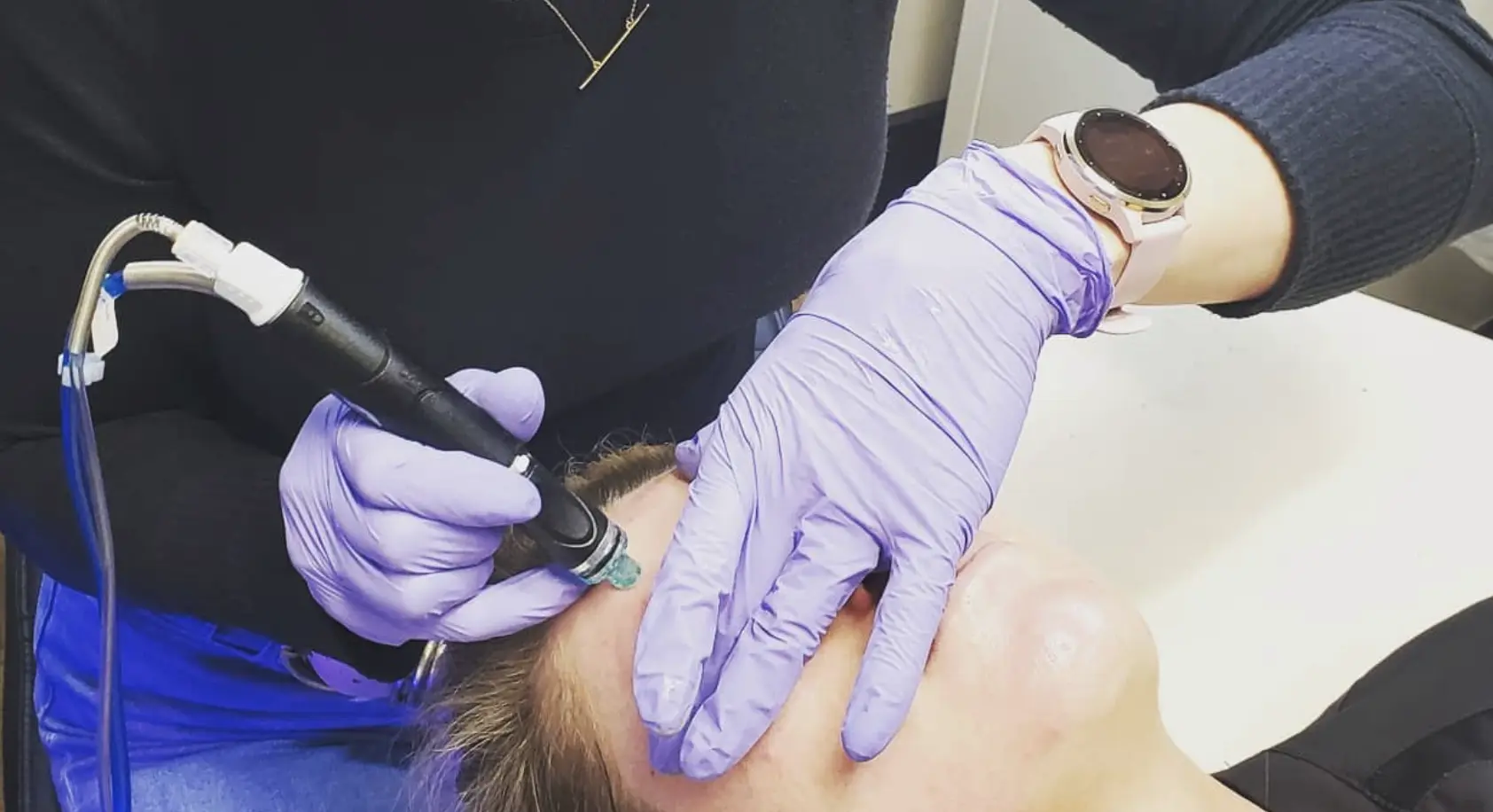
Supports Recovery Without Overloading Skin
Now I want to talk a bit more about where HydraFacial fits into all of this – because I know that’s where people often get a bit confused.
The Benefit Of A Gentle, Customised Approach
A hydrafacial, when it’s done right, can be a lifesaver for your skin barrier – it’s not an aggressive resurfacing treatment, but rather a barrier-friendly one.
It can:
- Give your skin a great drink of hydrating goodness with hyaluronic acid and sodium hyaluronate
- Provide a bit of light, easy exfoliation, or none at all
- Help bring down inflammation with a bit of gentle lymphatic movement
- Get your skin nice and receptive to taking in some calming ingredients
The goal here is not to “deep clean” – it’s to make your skin environment stable.
Where It Falls Short
One thing to keep in mind: hydrafacials are not a replacement for your regular skincare routine, and they won’t undo all the damage if you’re still using harsh products every day. It’s also not going to fix your skin barrier instantly – that’s where a lot of people get a bit disappointed.
It works a lot better when it’s used as a bit of extra support in a broader healing strategy – so don’t go in expecting miracles.
What A Realistic Healing Timeline Looks Like
Barrier repair is a process, and understanding the stages helps you avoid frustration or overcorrecting too soon.
| Stage | Skin Experience | In-Clinic Focus | Home Care Priority |
|---|---|---|---|
| Week 1 | Reactive, inflamed | No exfoliation, calming LED therapy | Stop actives completely |
| Week 2–3 | Slightly calmer | Gentle HydraFacial (hydration only) | Ceramide-rich balms, fatty acids |
| Week 4–6 | More balanced | Barrier-focused facials | Gradual skin cycling |
| Week 6+ | Stable, resilient | Maintenance treatments | Long-term routine consistency |
Why Patience Pays Off
Clinical observations and dermatology research (2024–2026) show that skin barrier repair typically takes 2–6 weeks. Trying to speed this up with more treatments often delays results.
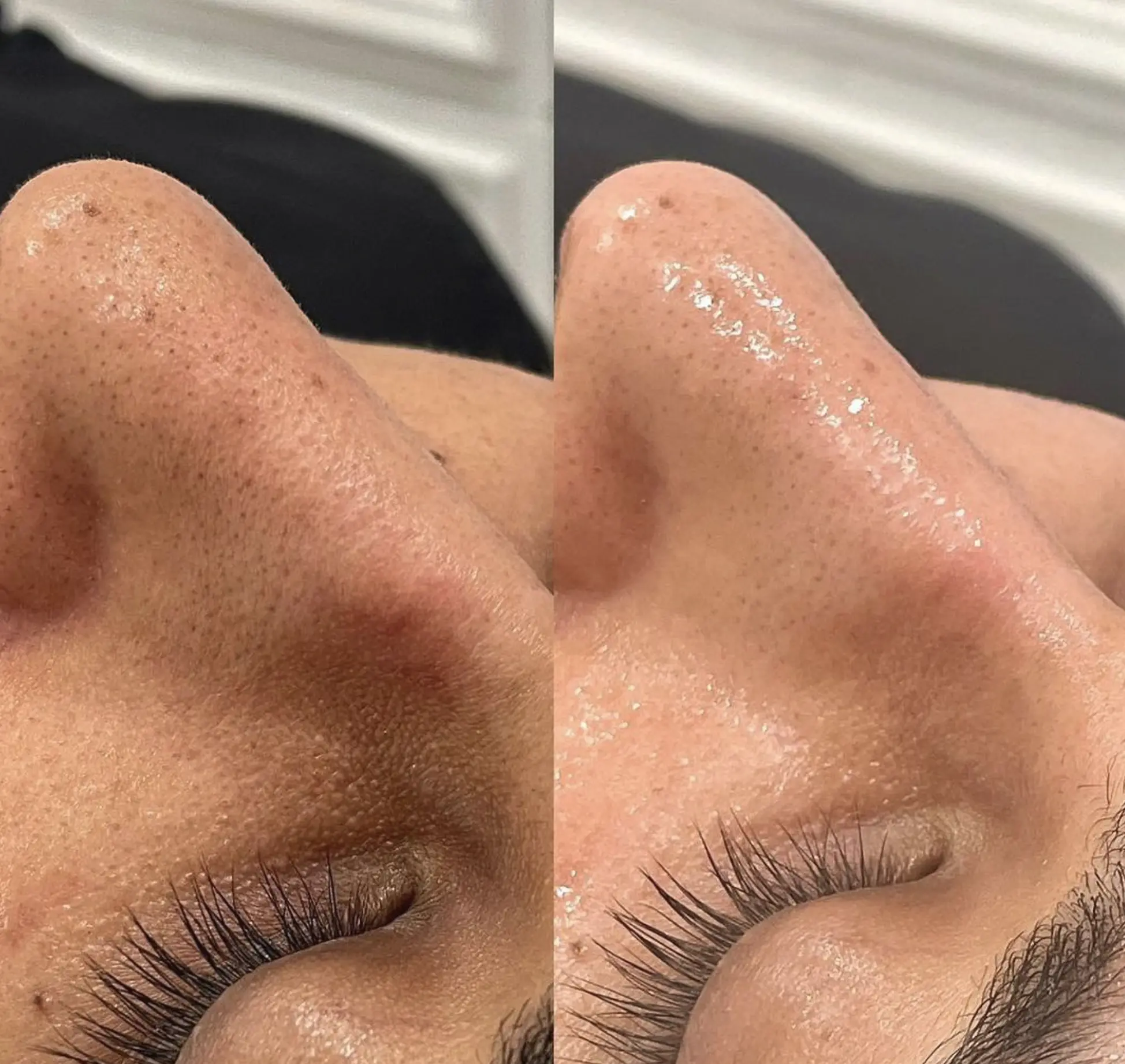
Common Skincare Mistakes That Keep Skin Stuck
Now I’m going to point out what’s not helping – because most people aren’t even aware they’re making things worse.
Over-Exfoliating Already Fragile Skin
Using those exfoliating acids or physical exfoliants on skin that’s already compromised will just much more caution, because they’re starting to focus on ensuring the barrier is healthy disrupt the healing process. And when your skin starts to flake, that doesn’t mean there’s just a layer of dead skin clogging things up – it means your barrier is struggling big time.
Mixing Too Many Actives
When you start combining all those different actives like vitamin C, benzoyl peroxide and retinoids at the same time, you’re basically overloading the skin. Even if each one is good on its own, together they can really trigger some irritation.
Ignoring Environmental Stressors
In Brisbane, we’ve got UV rays, humidity and heat staring us in the face all the time. Without getting some good broad-spectrum SPF on your skin every day, it’s just going to be hard for it to recover properly.
Why Barrier-First Skincare Is Leading The 2026 Shift
The skincare industry is finally starting to move away from those aggressive routines, and the numbers are reflecting that change.
What’s Changing
Recent numbers show that over 68% of customers are now prioritising skin barrier health over trying to knock years off their face with anti-ageing treatments. And at the same time, there’s been a noticeable increase in conditions such as perioral dermatitis – and that’s usually linked to overuse of actives.
Clinics are responding to all this by focusing on barrier-supporting facials, LED therapy, and lower-inflammatory treatment protocols. Even treatments like exosome therapy are now being approached with much more caution, because they’re starting to focus on ensuring the barrier is healthy first.
What To Expect From A Safe Treatment Session
Not all hydrafacials are suitable for skin that’s already been pushed to the limit – it’s all about the technique, not the machine itself.
How We Adapt Treatments For Sensitised Skin
In the clinic, this means:
- Leaving the salicylic acids and chemical exfoliants alone
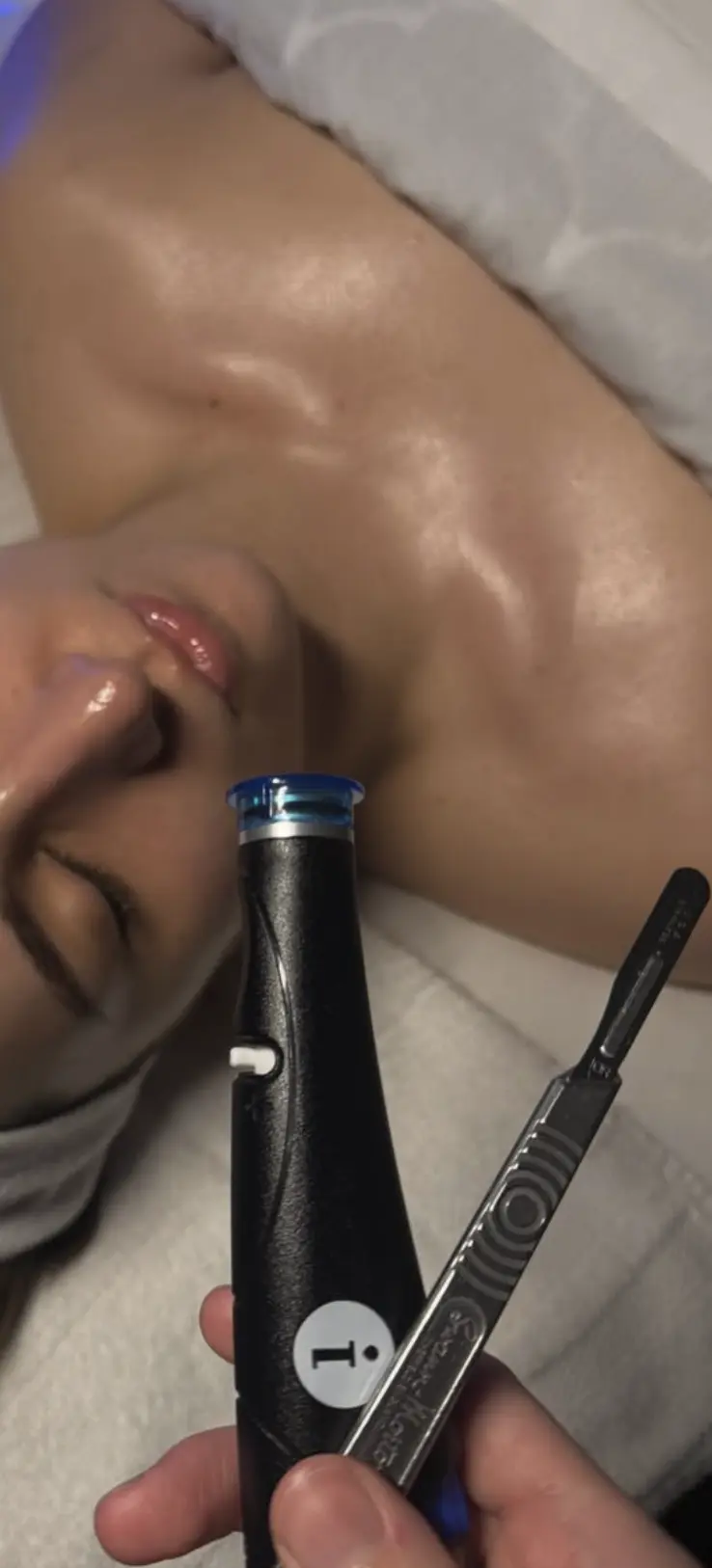
- Cutting back the suction so we’re not putting extra pressure on the stratum corneum
- Putting hydration first, not trying to extract every last bit
- Using LED therapy to give the skin an extra boost
- Sticking to clean, barrier-safe products
If you’re thinking about getting a hydrafacial in Brisbane, you really do want to choose a clinic that understands how to treat barrier damage – not just go through the motions with the standard protocol.
Building A Routine That Actually Repairs Skin
And here’s where all the real results happen – it’s your daily habits that really matter, not just any single treatment.
A Simple, Effective Recovery Routine
So focus on:
- Gentle, fragrance-free cleanser – nothing too harsh
- Ceramide-rich balms and barrier creams to give skin that extra boost
- Hydration courtesy of hyaluronic acid – because dry is just so bad for skin
- Daily broad-spectrum SPF to protect against the sun
- Giving harsh active ingredients a miss for a while until things calm down
Doing all this helps the lipid barrier.
Final Thoughts From My Treatment Room
Barrier damage isn’t the end of the road – it’s a wake-up call.
When your skin is feeling a little (or a lot) out of whack, the goal is not to just push through – it’s to take a deep breath, dial it back a notch, and show your skin a bit of TLC.
A hydrafacial in Brisbane can definitely be part of that – but only if it’s tailored to your skin at that moment in time.
FAQ
What are the early warning signs that your skin needs a breather?
Look out for persistent redness, stinging, skin that feels all tight and stiff, and your skin suddenly deciding it can’t handle some of the products you’re using – these are all signs that your barrier needs some love and attention.
Should you just quit using all your active skincare products?
Yeah, temporarily booting them out can be a good idea – it gives your skin a chance to stabilise and start mending itself.
How do professional facials assist sensitive skin?
A gentle, barrier-friendly facial can really help restore some moisture, calm down the inflammation, and get your skin to start absorbing all the good stuff again – without pushing it over the edge.
Which ingredients will give your skin a bit of a boost?
Keep an eye out for hyaluronic acid, ceramides, and fatty acids – they’re all super good at helping your skin keep its moisture locked in and its structure in one piece.
Can just walking outside in the sun without sunscreen shut down your recovery time?
Yeah – getting too much sun without a broad-spectrum SPF is basically just prolonging the healing process and making your skin all the more sensitive to boot.